Message from the CEO

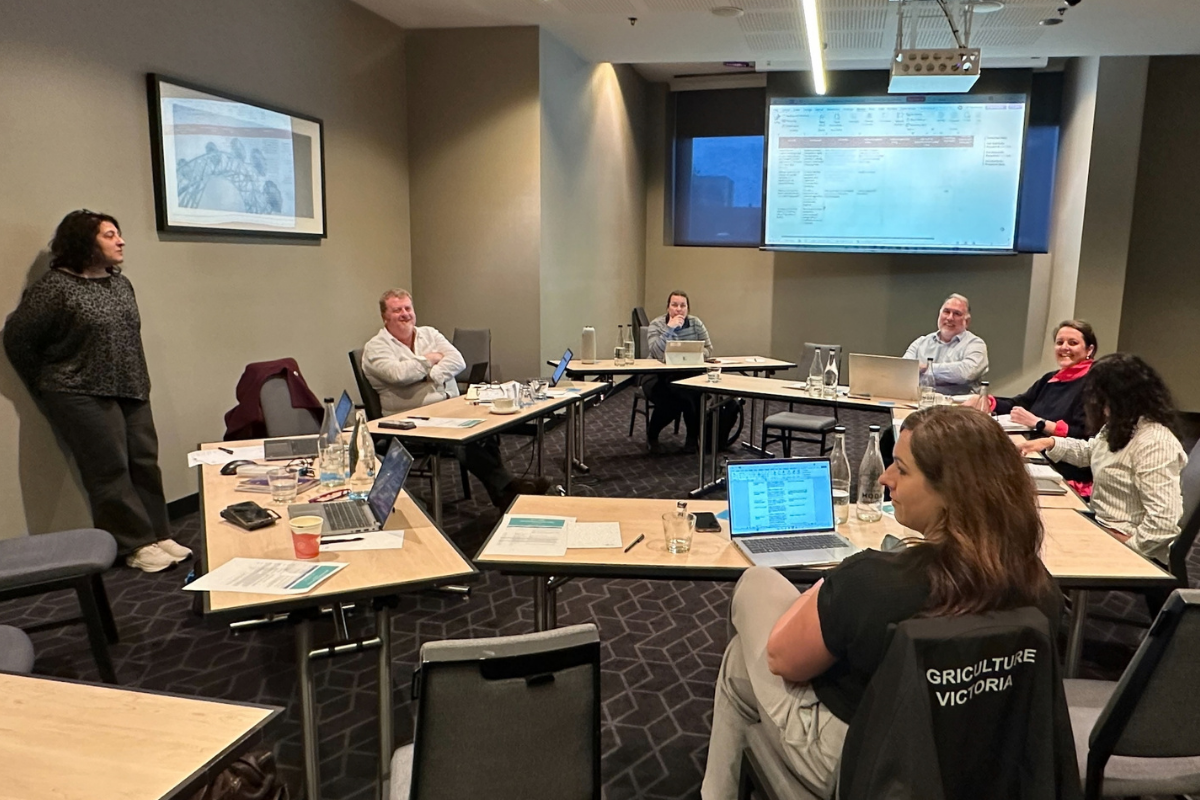
May has been an important month for connection and strategic alignment across Australia’s plant biosecurity system, with PHA’s Board and Member meetings held in Adelaide from 19 to 22 May. These meetings provided a valuable opportunity to engage directly with Members, progress shared priorities and strengthen collaboration across industry and government. Over the four days, we held the Annual Debriefing Forum, 43rd EPPRD Signatories Meeting, 42nd Plant Industry Forum, 7th Government Members Forum, 25th PHA General Meeting, 18th Members Forum and the EPPRD 2025 Review Workshop which unpacked, validated and refined key findings ensuring the Deed remains fit for purpose in an evolving biosecurity landscape.
The release of the inaugural National Biosecurity Strategy Annual Report provides a timely snapshot of national progress, with 86 per cent of activities in the National Biosecurity Strategy Action Plan 2024 either completed or underway by December 2025..PHA is proud to have led the second iteration of National Biosecurity Week under priority area 1 (shared biosecurity culture) and build on the success of the National Biosecurity Online Training Hub (the Hub) under priority area 3 (highly skilled workforce). The report highlights the breadth of work being delivered across governments, industry and communities to strengthen Australia’s biosecurity system
Consultation is also underway on proposed reforms to Australia’s biosecurity system. As trade, travel and environmental pressures continue to increase, industry and stakeholder input will be critical in shaping a sustainable and responsive national system. I encourage Members to review the proposed reforms and have their say before consultation closes at 5 pm AEST on Friday 12 June 2026.
Across the system, current seasonal, environmental and geopolitical pressures continue to drive a dynamic risk environment. We’ve also seen the threat profile broadening with new pest and disease incursions and chemical resistance issues which acerbates the ability to access new chemicals and limits treatment options
Recent reports of increased locust activity and high mouse populations across several grain-growing regions highlight the impact favourable conditions can have on pest populations. These challenges underscore the need for strong surveillance, early detection and effective on-farm biosecurity practices to minimise impacts on production.
In Western Australia, the recent detection of Queensland fruit fly (Qfly) in metropolitan Perth is a timely reminder of the importance of early detection, coordinated response and community participation in protecting local production and maintaining market access.
The conflict in the Middle East is significantly impacting agricultural production with constraints on the availability of key production inputs and ongoing uncertainty around how escalating production costs can be absorbed or passed on through the supply chain.
These conditions highlight the interconnected nature of global supply chains, farm economics and biosecurity outcomes, reinforcing the importance of strong coordination between government and industry.
Earlier this month, we marked the International Day of Plant Health, highlighting the 2026 theme, Plant biosecurity for food security, and reinforcing the role plant health plays in supporting agricultural productivity, resilient communities and a secure food supply. Research and innovation also remained a focus at the Plant Biosecurity Research Initiative Symposium in Melbourne, where PHA presented on how AUSPestCheck® supports national surveillance and evidence-based decision-making.
Recognition of leadership across the sector continues, with nominations now open for the 2026 Australian Biosecurity Awards. PHA, through the Farm Biosecurity Program, is proud to again support the Farm Biosecurity Producer of the Year Award, recognising excellence and leadership in on-farm biosecurity practices.
There have also been several leadership transitions across our Member organisations. I would like to acknowledge the contributions of outgoing CEOs Clare Hamilton-Bate from Australian Macadamias, John Tyas from Avocados Australia and Carrie Starkings from Summerfruit Australia. I also welcome Ben Baldwin to Australian Macadamias, Milton Bazley to Avocados Australia and Katherine Faull to Summerfruit Australia as they step into their new roles. Strong leadership across industry remains critical to maintaining alignment and collaboration across the biosecurity system.
It’s my great pleasure to announce that the Directors have approved AgriFutures Australia as an Associate Member of PHA at their Board meeting last week, increasing our membership to 58. PHA has enjoyed a productive collaboration with the AgriFutures team over many years, and we are delighted to formally welcome them as a Member.
Over recent weeks, I have continued to engage in national coordination and governance activities, including participation in the Centre of Excellence for Biosecurity Risk Analysis (CEBRA) Board and the Victorian Invasive Pests Advisory (VIPA) Board. CEBRA and VIPA provide important opportunities to share cross-sector insights, strengthen partnerships and promote shared responsibility.
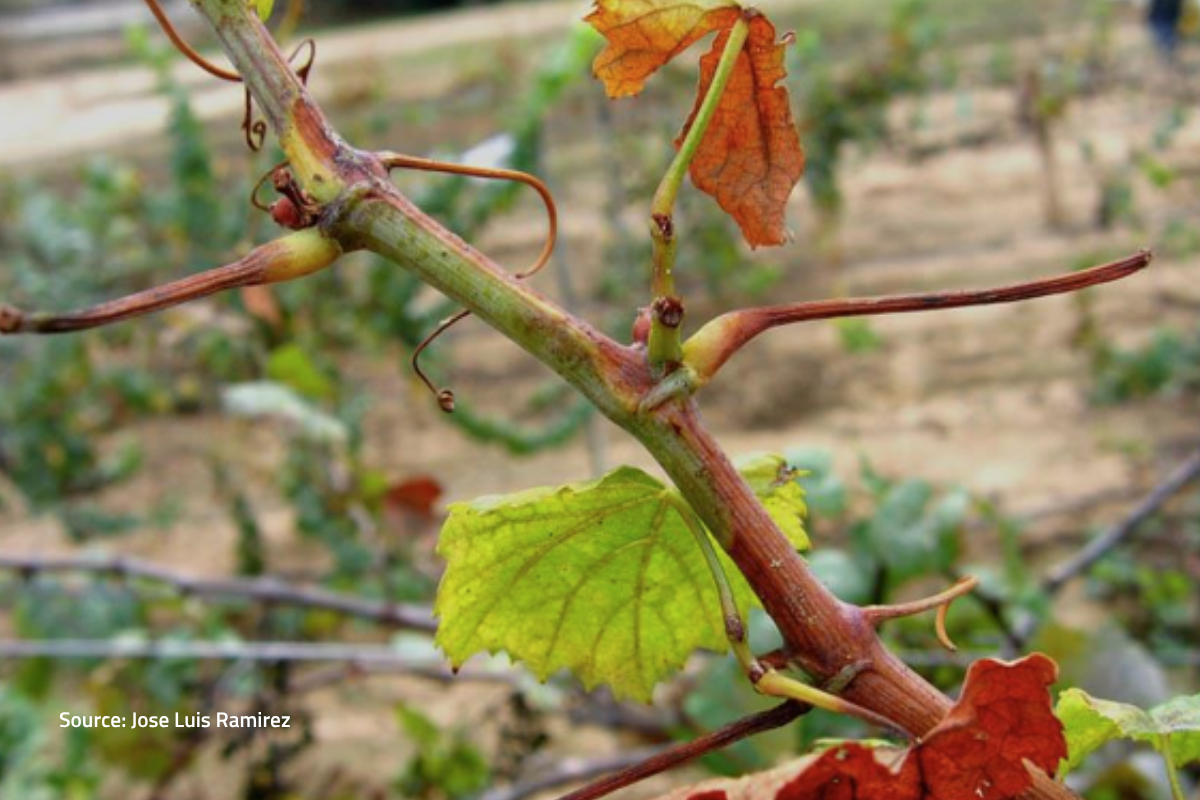
I also recently spoke with ABC Riverland regarding Grapevine berry inner necrosis virus (GINV), following detections. This engagement reinforced the importance of early detection, sourcing clean planting material and maintaining strong on-farm biosecurity practices.
I also recently spoke with ABC Riverland regarding Grapevine berry inner necrosis virus (GINV), following detections. This engagement reinforced the importance of early detection, sourcing clean planting material and maintaining strong on-farm biosecurity practices.
In this edition of Tendrils, we highlight several areas of PHA’s work across preparedness, surveillance, digital systems and training. This includes the GrainShield simulation exercise in Kununurra, national surveillance protecting Australia’s bees, the 2025 annual summary reports from PHA’s digital systems platforms, Industry Liaison Officer Training held in Mildura and the upcoming change to the Biosecurity Online Training platform.
As we move toward the middle of the year, I’d like to thank our Members and stakeholders for your continued support of PHA and commitment to strengthening the resilience of the Australian plant biosecurity system.
Regards,
Sarah Corcoran