Protecting bee health through national surveillance
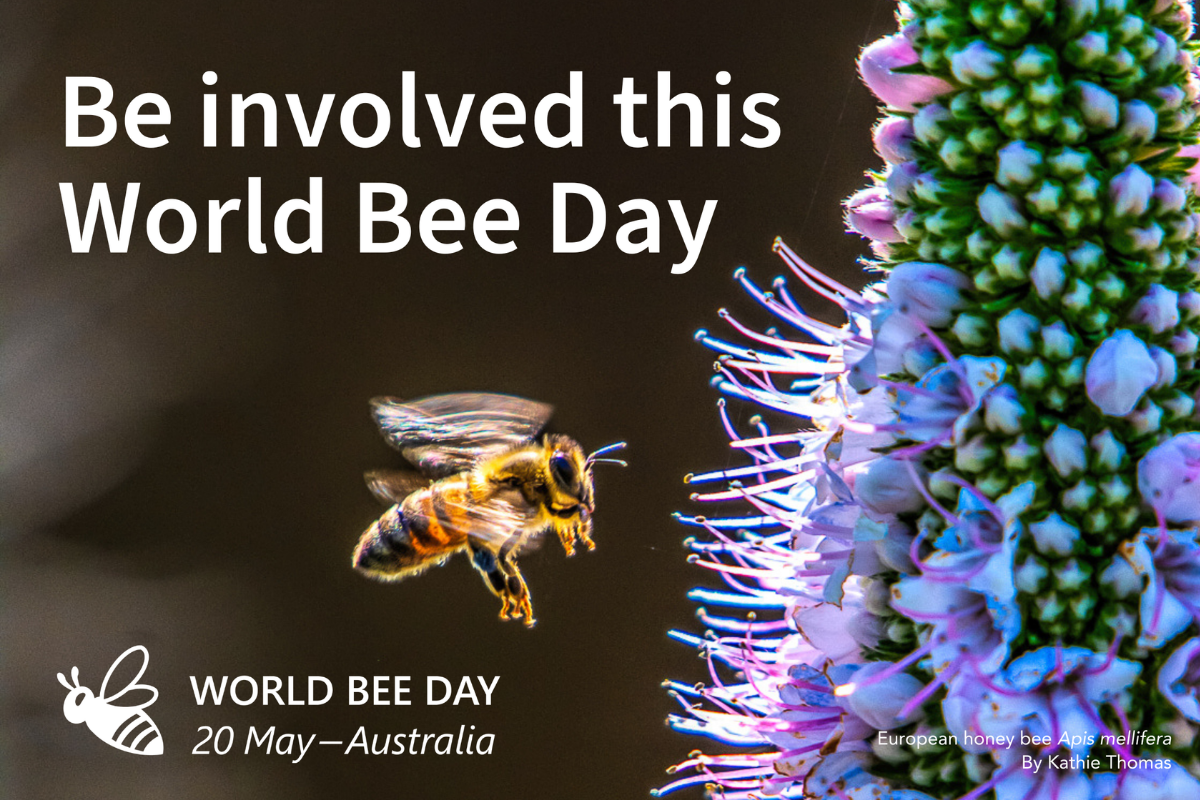
World Bee Day 2026 celebrates the theme “Bee together for people and the planet: A partnership that sustains us all”, highlighting the essential relationship between humans and bees in supporting food production, ecosystems and livelihoods worldwide.
In Australia, this partnership is strengthened through the National Bee Pest Surveillance Program (NBPSP), coordinated by Plant Health Australia (PHA) and delivered by state and territory governments.
The NBPSP is a risk-based surveillance program focused on protecting honey bee health through early detection of exotic and regionalised bee pests. Surveillance activities are undertaken at ports identified as posing the highest risk for the entry and establishment of exotic pests, including those carried by European and Asian honey bees.
Over the last 10 years the program has collected more than 123,000 surveillance records from across Australia, including almost 1,000 records since the start of 2026.
The program targets 12 exotic and six regionalised honey bee pests and pest bees using a range of surveillance methods across all states and the Northern Territory .
This includes sentinel hives monitored every 6 weeks for signs of exotic pests and diseases, while catchboxes are used to capture swarms that may arrive through shipping pathways. Surveillance activities also include floral sweep netting to sample foraging bees, analysis of rainbow bee‑eater pellets to detect pest bees, and aerial pheromone ballooning to identify incursions of Asian honey bees. Together, these activities provide a comprehensive and adaptive surveillance system, which has been continually refined based on emerging risks and operational learnings.
Complementing these surveillance activities, PHA also works with the Australian Honey Bee Industry Council (AHBIC) and state governments to deliver the National Bee Biosecurity Program (NBBP), which supports Australian beekeepers to strengthen biosecurity practices and manage established bee pests and diseases.
As World Bee Day 2026 highlights the importance of bees to food production and the environment, it is an opportunity to recognise the systems and partnerships that protect them. Through continued investment in surveillance, biosecurity and collaboration, Australia is helping to ensure that bees, and the people and environments they sustain, can thrive into the future.
Program funding
The National Bee Pest Surveillance Program (NBPSP) is funded by Hort Innovation using research and development levies of 14 horticultural industries, with significant contributions from states and territories and co-investment from Australian honey bee industry Levies, Grain Producers Australia and the Australian Government.
The NBBP is coordinated by Plant Health Australia and funded through a combination of in-kind support from state governments and from Australian honey bee industry Levies.