Message from the CEO

As the end of the financial year approaches and we move into the new financial year, our focus remains on strengthening Australia’s plant biosecurity system through coordinated national effort, evidence-based decision-making and strong partnerships across government and industry.
Detection of H5N1 avian influenza in Western Australia followed by the detection in South Australia, marks the first time the globally circulating H5 bird flu strain has been detected in Australia. The risk to public health remains low, with human infection rare. A key priority is ongoing surveillance to determine the extent of the infection in wildlife populations. There is currently no evidence of spread to other animals or poultry, however continued vigilance is essential to protect livestock health, maintain market confidence and minimise disruption to diversified production systems. For mixed producers, this reinforces the importance of strong on‑farm biosecurity and separation between species, given the potential for cross‑species exposure where livestock, poultry and wildlife intersect. If you see multiple sick or dead birds or other animals, avoid contact, record what you see and report it to the Emergency Animal Disease Hotline on 1800 675 888.
At the end of this month, we kick off our new 12-month work program as detailed in the 2026–27 Annual Operational Plan (AOP). This body of work captures our shared priorities and sets clear direction for the year ahead. The multi-source methodology for determining Member subscriptions using the Local Value of Production (LVP) data also commences shortly. These subscriptions are carefully invested in activities that build preparedness, strengthen response capability and support ongoing national coordination for the benefit of the plant biosecurity system.
At an operational level, we continue to strengthen digital systems and response arrangements. Emergency Plant Pest Response Deed (EPPRD) parties are reminded to ensure that their Contact for Notices details remain current to support timely communication and action during incidents. Preparations are also well underway to finalise the decommissioning of the Biosecurity Portal from 1 July.
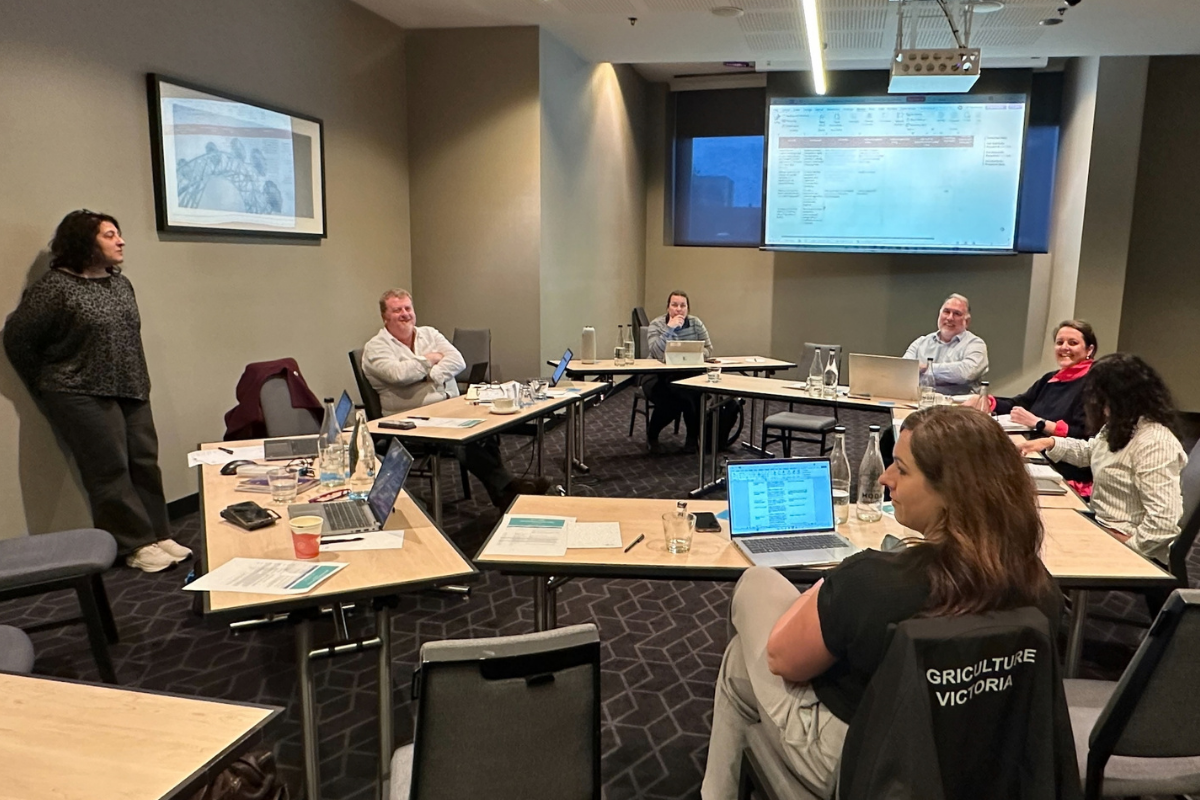
Strengthening the evidence base for future investment in fruit fly biosecurity remains a key priority. In June, I opened PHA’s first workshop under the National Fruit Fly Economic Analysis project, facilitated by Dr Lucy Tran‑Nguyen and Dr Stephen Quarrell. The workshop brought together government, industry and research stakeholders to examine the current and explore the future economic impacts of fruit flies. This work will inform the development of the next National Fruit Fly Strategy and guide future RD&E investment.
I also had the opportunity to attend Hort Connections (HC) 2026 in Adelaide, which brought together more than 3,900 delegates and over 1,000 local and international growers. This premier horticulture event continues to provide a valuable forum for collaboration and knowledge sharing, and I extend my congratulations to the recipients of the Horticulture Awards for Excellence.
This month also highlighted the importance of pollination to system resilience. The Pollination Security Status Report 2026, launched at HC, marks an important milestone as Australia’s first national assessment of pollination security, providing for the first time, a comprehensive view across agricultural and natural systems. It reinforces the need for coordinated planning as pressures from varroa mite and growing demand for pollination services increase. I was pleased to contribute to this work as part of the Australian Pollination Strategy Steering Committee and appreciated the opportunity to connect with Wheen Bee Foundation CEO Fiona Chambers and Australian Pollination Strategy Program Manager Tracie Armstrong at HC.
Training and capability development remains central to our work. A range of training activities and workshops are scheduled in the coming months, supporting preparedness and response capability across industry and government stakeholders. I encourage Members to explore upcoming opportunities via our Training calendar.
National Biosecurity Week 2026 (24-30 August) is also on the horizon. This year we are sharpening focus on what biosecurity means for every Australian, connecting biosecurity to what matters the most – protecting our food supply, and the places and people we love. The 2026 campaign builds on previous campaigns with clearer messaging intended to broaden reach and will be shared with our Members and National Committees to enhance promotion of this national day.
Consultation has now closed on proposed reforms to Australia’s biosecurity system. PHA provided a submission on how the system can continue to respond to evolving risks and pressures and feedback from the consultation will inform the development of a national reform roadmap to guide future priorities and strengthen coordination.
The Bureau of Meteorology has officially declared an El Niño, indicating weather patterns typically associated with hotter and drier conditions, particularly across southern and eastern Australia. Below-average rainfall is forecasted for later in the year which is likely to impact crop yields.
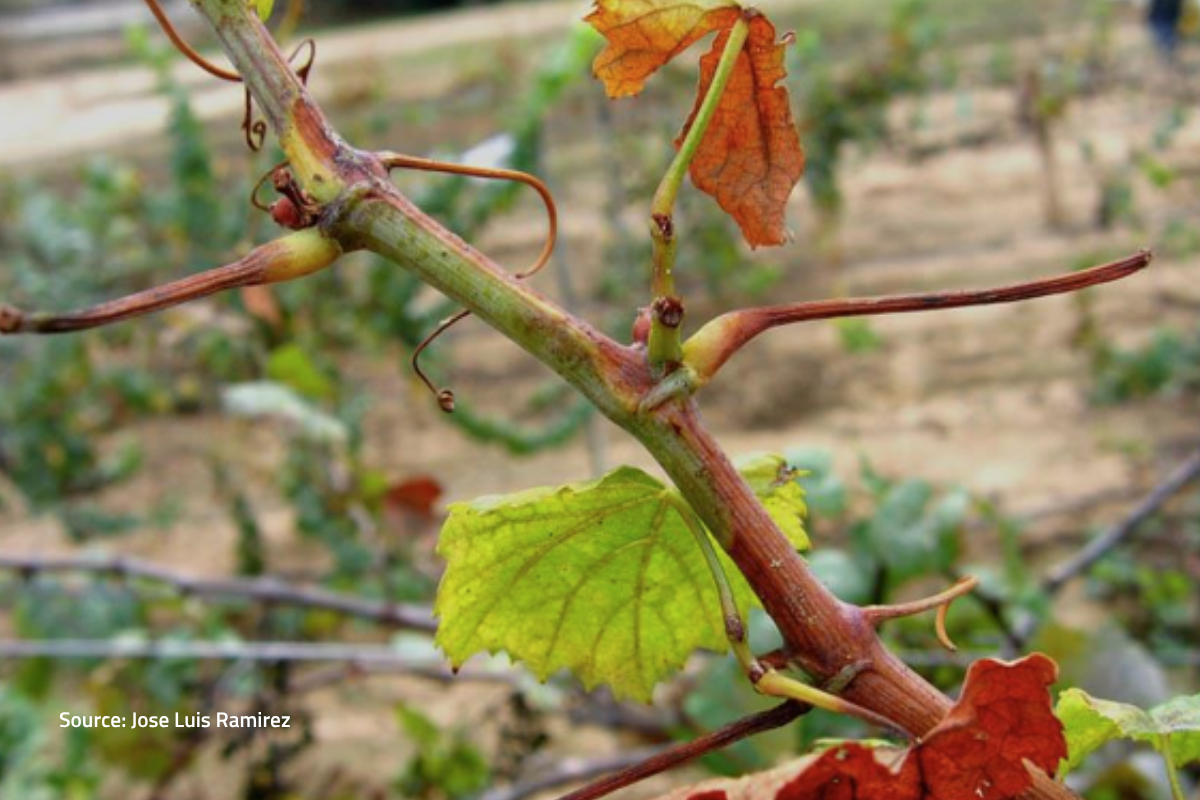
In this edition of Tendrils, we reflect on the activities delivered under the avocado biosecurity project now entering its final year, welcome AgriFutures Australia as a new Associate Member, and highlight how cyber security and digital systems are being strengthened across national platforms. We also cover how wine regions are strengthening phylloxera preparedness.
Thank you to our Members and stakeholders for your continued commitment and collaboration as we move into the second half of the year. Together, we are strengthening Australia’s plant biosecurity system, by building capability, improving preparedness and ensuring we are well positioned to respond to emerging risks. I look forward to continuing to deliver on our shared priorities over the coming months.
Regards,
Sarah Corcoran