Message from the CEO

As July draws to a close and National Biosecurity Week approaches from 24–30 August, it is a timely reminder the effectiveness of Australia’s biosecurity system relies on sustained investment in planning, preparedness and partnerships well before a threat emerges or an emergency occurs. These foundations help ensure we are ready to respond to emerging risks while building resilience across our plant industries, environment and communities.
Biosecurity is not simply about response activities but creating the conditions for resilience long before they occur. National Biosecurity Week 2026, a key initiative under the National Biosecurity Strategy Action Plan (priority area 1) led by Plant Health Australia (PHA), provides an opportunity to highlight the importance of preparedness in safeguarding Australia’s food security, environment, economy and way of life, and links it to the One Health lens. PHA has developed, shared and published promotional resources to support participation and I encourage our Members, partners and stakeholders to get involved. While the week raises awareness over seven days, biosecurity remains a shared responsibility 365 days a year.
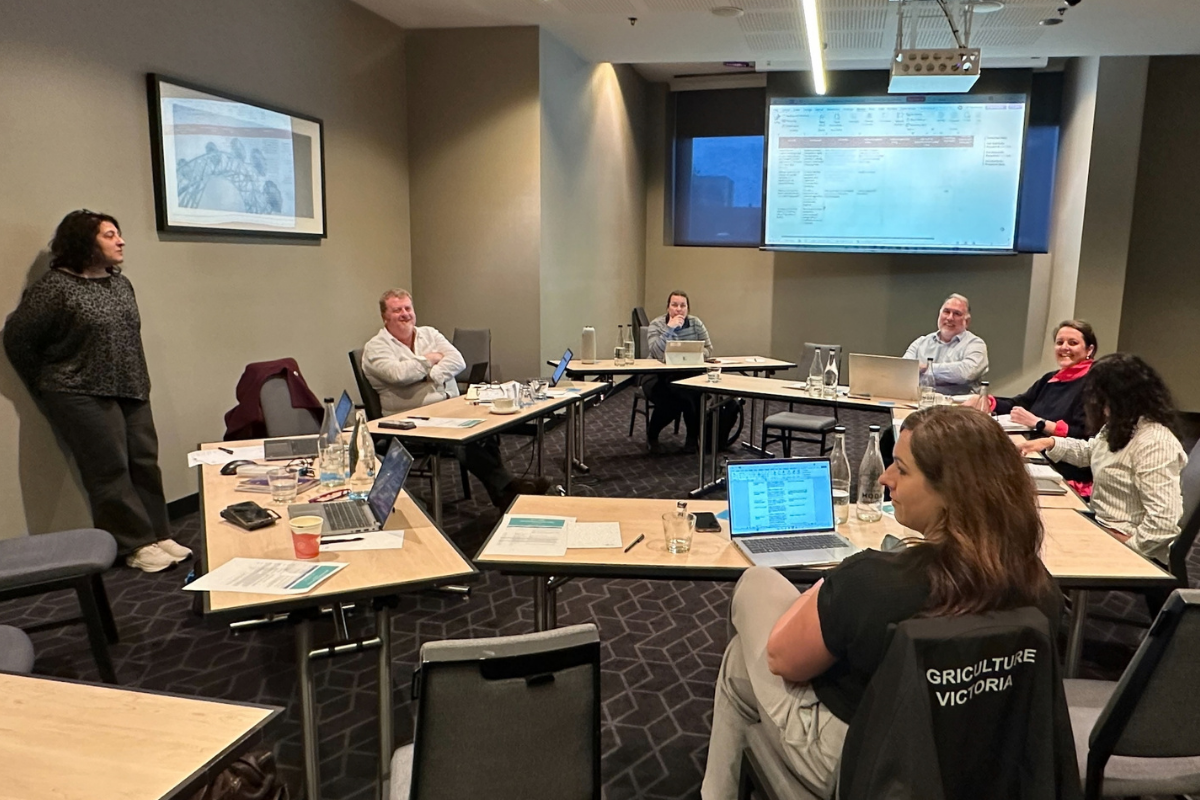
This week, PHA’s Board and Executive team came together in Canberra for our annual Board Strategy Workshop, to reflect on the changing operating environment and consider the strategic choices that will influence PHA’s future direction. With our current Strategic Plan running through to June 2027, these discussions are an important early step in developing the next five-year strategy and ensuring PHA continues to deliver value to Members and the broader plant biosecurity system.
PHA and Animal Health Australia (AHA) also came together for our annual joint Board meeting to discuss areas of mutual interest, and shared challenges and opportunities across Australia’s biosecurity system. Against a backdrop of increasing complexity and change, the meeting highlighted the importance of cross-sector collaboration, strategic alignment and a coordinated One Health approach to safeguarding Australia’s economy, environment, industries and communities.
The recent detections of the H5 bird flu strain in Australian wildlife across several states also highlight the importance of cross-sector coordination. Earlier this week, the National Management Group agreed to enact the National Management Agreement (NMA) for H5 HPAI. The decision is based on the advice from the Consultative Committee on Emergency Animal Diseases (CCEAD) that H5 in wildlife is not technically feasible to eradicate. Response activities will include continued surveillance, investigation, technical assessment, public information and engagement with wildlife, animal health, environment, public health and industry partners.
With consultation on proposed reforms to Australia’s biosecurity system now closed, attention has turned to the development of a reform roadmap. PHA contributed a submission and provided perspectives to ensure arrangements remain fit-for-purpose and support long-term resilience. The feedback received through the consultation process highlights broad support for investing in preparedness, building workforce capability, strengthening partnerships and securing sustainable funding arrangements to support long-term system resilience. Importantly, the proposed reforms recognise the value of a more connected and coordinated biosecurity system, underpinned by a One Health approach and shared responsibility across governments, industry and the community. We look forward to contributing to the next phase of this work and supporting the development of a stronger, more resilient national biosecurity system.
Training and capability development remain central to preparedness. In August, PHA will deliver Industry Liaison Officer training in Bundaberg, helping participants build practical skills and knowledge to support industry during a plant biosecurity response. View our Training Calendar for information on future training opportunities.
PHA, in partnership with Avocados Australia and the Queensland Department of Primary Industries has launched a new ‘Lunch and Learn’ webinar series for avocado growers, providing practical information on exotic pests, preparedness and emergency response arrangements. For more information on this series, please contact our Learning and Development Team.
Earlier this month, PHA successfully transitioned our Biosecurity Online Training (BOLT), to an upgraded platform which provides Members and stakeholders with an improved learning experience. We have also completed the decommissioning of the Biosecurity Portal, with data migrated to new platforms with improved long-term sustainability and cyber security arrangements.
Work to support the next National Fruit Fly Strategy continues, with stakeholders invited to contribute through a series of regional workshops, to help ensure future investment reflects industry priorities, regional challenges and emerging risks.
Earlier in July, I participated on the online selection panel for the 2026 Australian Biosecurity Awards. Each year, the awards highlight the innovation, leadership and commitment that exists across Australia’s biosecurity community. Recognising and celebrating these contributions is an important part of strengthening awareness and encouraging continued excellence across the system.
Also in this edition of Tendrils, we explore how application programming interfaces are improving PHA’s systems, share updates to the EPPRD and PLANTPLAN, and highlight a recent phylloxera preparedness exercise for the Western Australian wine industry.
Congratulations to Matthew Madden on his appointment as Chair of Grain Producers Australia (GPA), succeeding Barry Large after a remarkable period of leadership and service to the grains industry. As one of GPA’s founding Directors and a longstanding representative in national biosecurity forums, Barry has played an important role in strengthening industry engagement and advancing key biosecurity initiatives affecting Australian grain producers. PHA thanks Barry for his valued contribution and looks forward to working with GPA as we continue to strengthen biosecurity preparedness for Australia’s grain industry.
The themes running through this edition of Tendrils underscore a common principle: resilient biosecurity systems are built through preparedness, partnership and shared responsibility. As we look forward, PHA remains committed to working collaboratively with Members, governments and stakeholders to strengthen capability, coordination and resilience across the system. Thank you for your continued support and engagement. Together, we are helping to protect what matters most and ensuring Australia’s biosecurity system remains strong, connected and fit for the future.
Regards,
Sarah Corcoran