Message from the CEO

September has provided several opportunities to see biosecurity in action across Australia’s plant biosecurity system. Ongoing investment in planning, partnerships and practical preparedness activities continues to strengthen capability and resilience, helping ensure the system remains ready to respond to future challenges.
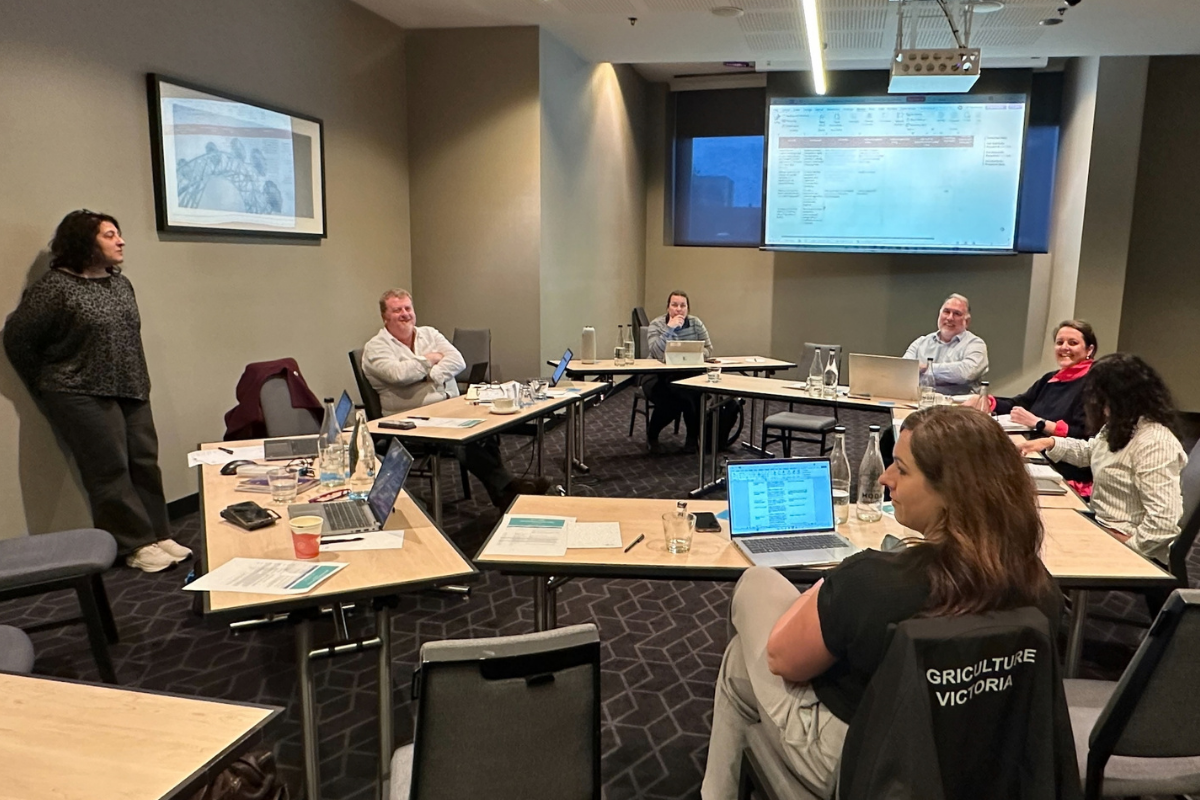
Earlier this month, PHA’s Board met in Orange, New South Wales, for Board Meeting 124 (BM 124). The meeting considered a range of strategic, financial, operational, compliance and people matters as well as preparations for PHA’s 26th Annual General Meeting (AGM). The Board resolved to convene the 26th AGM, with formal notice to be distributed to Members by the Company Secretary in due course. Read the BM 124 Communiqué.
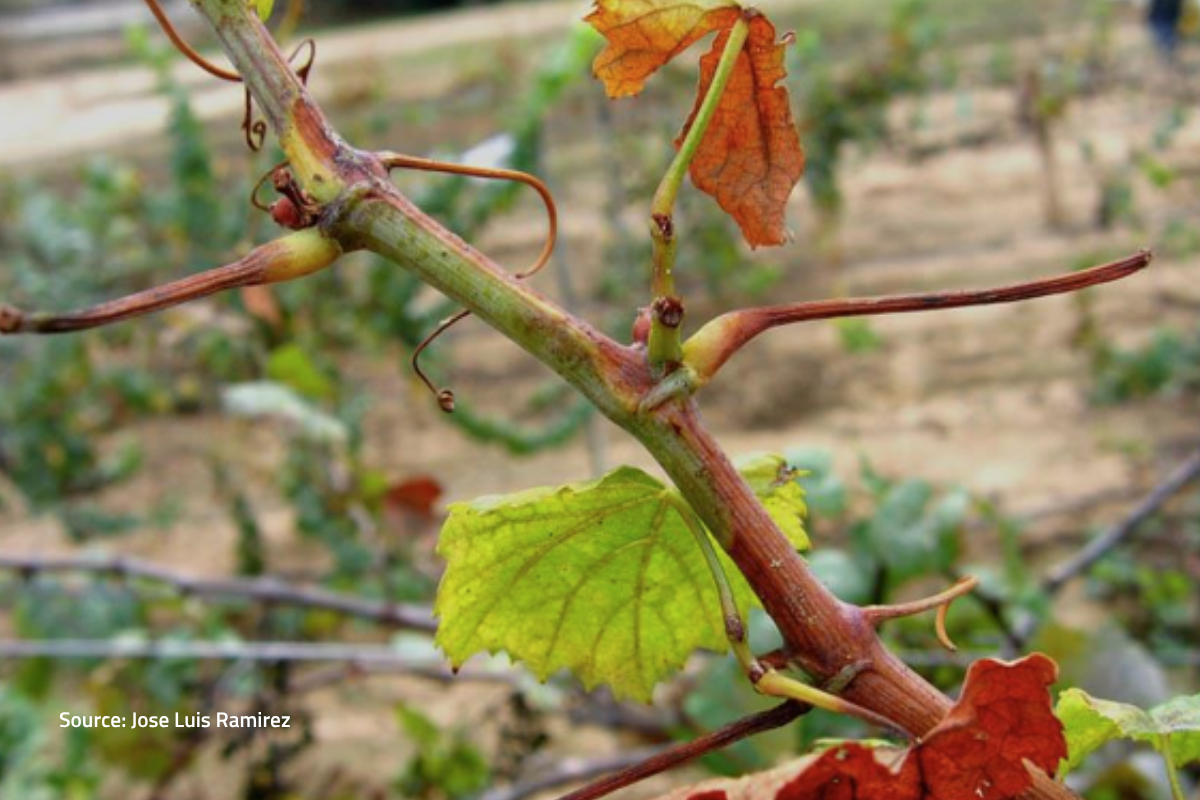
While in Orange, Board Directors visited several facilities and projects that demonstrated biosecurity in practice. This included learning about outcomes from a NSW Department of Primary Industries and Regional Development-led (DPIRD) Xylella preparedness project with a local vineyard, visiting the NSW DPIRD Reference Collections and State Control Centre, touring local beekeeping operations, and meeting with the Chair of the Australian Honey Bee Industry Council (AHBIC). These visits reinforced the value of long-term investment in surveillance, preparedness and response capability.
Work also continues on the 2025 review of the Emergency Plant Pest Response Deed (EPPRD), with the review scheduled to be finalised at the 44th EPPRD Signatories Meeting in November. The EPPRD remains a cornerstone of Australia’s plant biosecurity response arrangements and continues to support nationally coordinated responses to emergency plant pest incidents.
This month also saw the publication of the 2026–27 Annual Operational Plan (AOP) Addendum. At the time of publishing the AOP, a reduced set of Local Value of Production (LVP) data required to calculate Member subscriptions were unavailable. The PHA team has since worked with Members to estimate relevant LVP levels for industries where no data were available. The AOP Addendum outlines Member subscription calculations for 2026–27 in accordance with the PHA Constitution.
Alongside this important planning and governance work, PHA continues to support our Members through the development of practical resources that strengthen biosecurity awareness and preparedness.
As summer cropping activities begin, new resources on soybean looper and spotted stem borer are helping grain growers and advisers familiarise themselves with High Priority Pests (HPPs) that are not currently present in Australia while reinforcing the importance of early detection and reporting on reducing the potential impact of an incursion.
I would also like to congratulate John McKillop on his appointment as Independent Chair of the Australian Forest Products Association (AFPA). As the peak industry body representing the resources, processing, pulp, paper and bioproduct industries, AFPA supports and promotes Australia’s sustainable and renewable forest and products sector and the PHA team and I look forward to working with John in his new role.
Strong leadership and collaboration across industries should be complemented by investment in the people and skills needed to support effective biosecurity responses.
Building industry capability remains central to biosecurity preparedness. The final Industry Liaison Officer (ILO) training workshop for 2026 will be delivered in Darwin on Wednesday 14 October with registrations now open. ILOs play an important role during plant biosecurity responses by helping facilitate communication between government and affected industries. I encourage Members and stakeholders interested in strengthening their response capability to consider participating.
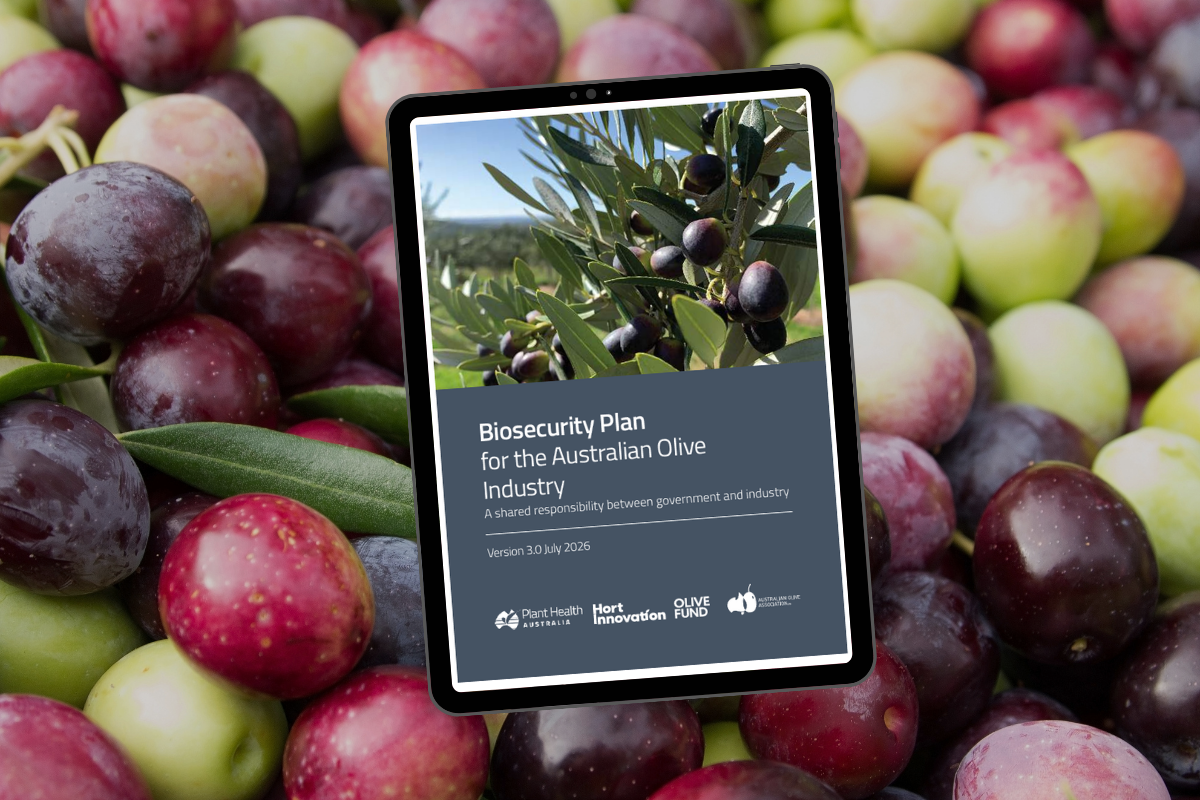
In this edition of Tendrils, we highlight progress in developing a new Biosecurity Plan for the potato industry and the release of a new Biosecurity Plan for the olive industry, both supporting future preparedness, surveillance and response activities. We also explore how AUSPestCheck® supports Xylella freedom claims and market access, share outcomes from National Biosecurity Week 2026 and provide an update on the development of the next National Fruit Fly Strategy.
We also feature practical preparedness resources including Stop snails getting a free ride and How to protect your property boundaries.
Thank you to our Members and stakeholders for your continued commitment to strengthening Australia’s plant biosecurity system. Through collaboration, preparedness and shared responsibility, we continue to build a stronger and more resilient biosecurity system for the future.
Regards,
Sarah Corcoran