New Biosecurity Plan for the Olive industry
This article was originally published in the Australian Olive Association’s R&D Insights, September 2026 edition, and was authored by Dr Stephen Quarrell, Manager, Biosecurity Planning, Plant Health Australia.
Exotic pests and diseases continue to pose a threat to the Australian olive industry. Australia is fortunate to be free from several pests and pathogens that could impact local olive production, with high-profile examples including Bactrocera oleae (olive fly) and Olive Quick Decline Syndrome or Leaf Scorch, both caused by the bacterium Xylella fastidiosa.
Understanding and minimising the risks posed by exotic plant pests and pathogens is crucial to ensuring the viability, sustainability and long-term success of the Australian olive industry.
New olive industry Biosecurity Plan
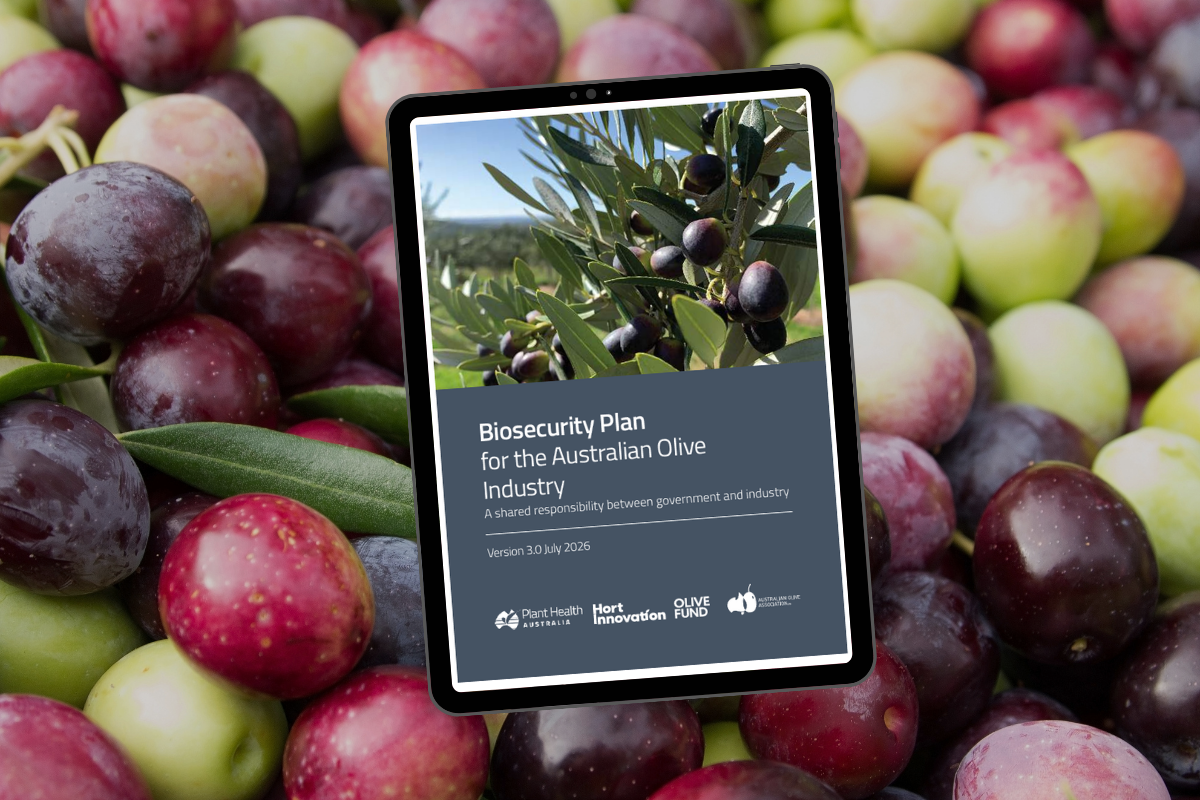
Plant Health Australia (PHA), together with the Australian Olive Association (AOA) and government partners, has recently developed a new Biosecurity Plan for the Australian Olive Industry (Version 3.0). The Biosecurity Plan identifies and prioritises exotic plant pests and pathogens and provides a mechanism for government, industry and other stakeholders to better prepare for and respond to incursions of pests that could have significant impacts on the olive industry.
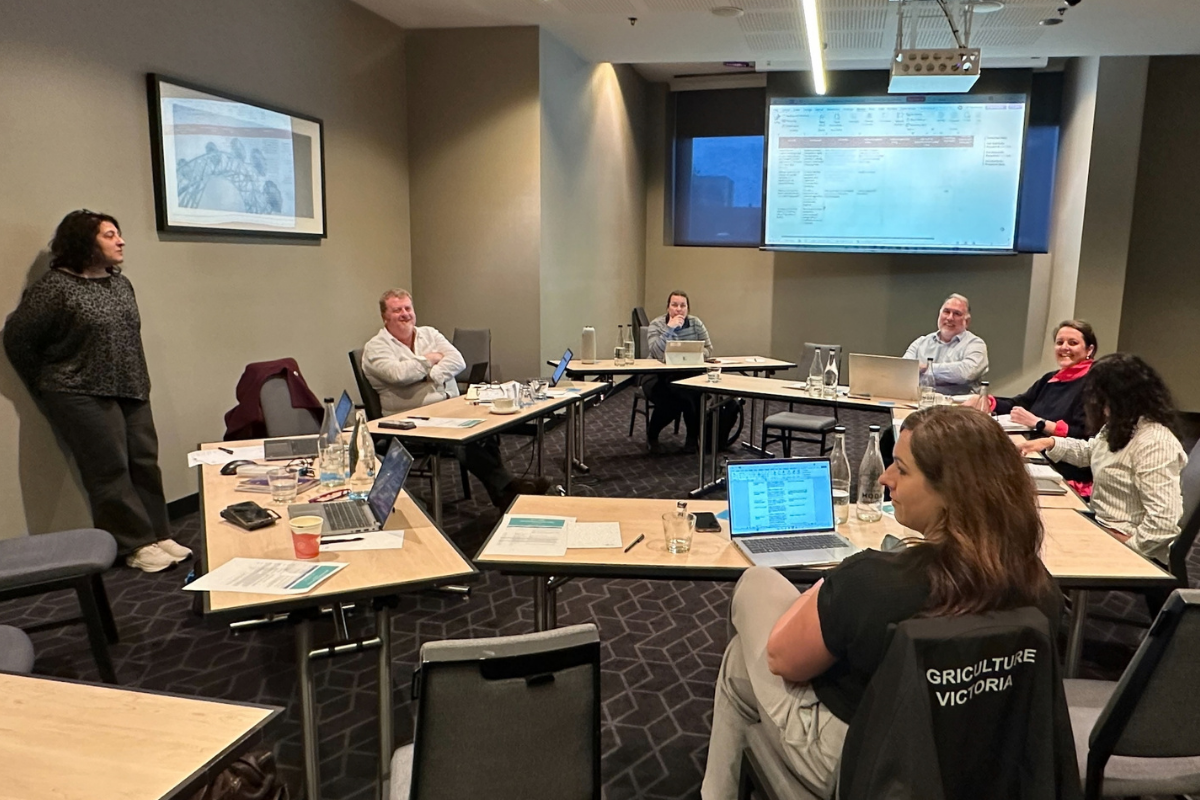
Coordinated by PHA, development of the BP involved consultation with industry, including the AOA, state and territory agriculture agencies, Hort Innovation and scientific organisations, including universities.
Key content
Critical sections of the new BP include:
- Pest Risk Assessments: all known exotic pests and pathogens of olives were assessed to determine their potential impact on the Australian olive industry. This ensures the Australian olive industry remains on the front foot in identifying new risks before they arrive in Australia.
- Preparedness Table: details current preparedness activities and resources for pests and pathogens of the olive industry.
- Action Plan: documents industry priorities in relation to biosecurity and outlines specific areas of action that could be undertaken through government and industry partnership.
Identifying threats to the Australian olive industry
A key component of the new BP is the review of all known exotic pests and diseases of olive production.
Each species was assessed on its potential to enter, establish and spread within Australia, and its estimated potential economic impact. Species that received an overall risk rating of high or above were assigned High Priority Pest (HPP) status. Exotic Pests to Monitor (EPM) were also identified. These include species that pose a threat but currently have a lower likelihood of entry, establishment or spread than the HPPs. These species will be monitored for changes in their risk potential that may elevate them to HPP status.
This process identified and assessed 170 pests and pathogens currently not found in Australia that could impact local olive production.
A Technical Review Panel was engaged to independently review these risk assessments and confirm the HPP list. Of these, six were identified as HPPs and six as EPMs. The Panel included representatives from industry, relevant state and territory agriculture agencies, and PHA.
Preparedness for priority pests
Also included in the new BP is a stocktake of the preparedness resources available for the HPPs.
Resources include National Diagnostic Protocols, surveillance programs, fact sheets, Contingency Plans and Continuity Plans available for HPPs of the Australian olive industry, as well as whether the HPP is recognised as a National Priority Plant Pest. These resources are critical if an exotic pest is detected, so it can be responded to quickly and its impact on industry minimised.
Taking action on biosecurity: a shared responsibility
Another key component of the new Biosecurity Plan is the Action Plan for the Australian Olive Industry (2026–2031).
Developed by industry and government, the Action Plan outlines a range of biosecurity-focused Research, Development and Extension (RD&E) needs, strategies and actions that will improve the industry’s biosecurity preparedness and response capability, including activities focused on the HPPs identified in the first section of the Plan.
The Action Plan also aligns with existing strategies supporting the Australian olive industry, including the Olive Strategic Investment Plan (SIP) and key priority areas of the National Biosecurity Strategy 2022–2032 (NBS).
Next steps
Reflecting the strong industry-government partnership behind development of the new Biosecurity Plan, endorsement has been received from both industry, through the AOA, and government partners through the Plant Health Committee.
The new Biosecurity Plan will be reviewed annually until project completion in 2029 to ensure continual improvement throughout the five-year project.