Message from the CEO

October has been another busy month across Australia’s plant biosecurity system, with the detection of a new exotic plant pest in the Northern Territory (NT) and control measures following the detection of Red imported fire ants (RIFA) in Greater Sydney at the end of September, alongside ongoing preparedness activities and opportunities to strengthen collaboration across government and industry. This month also marks another milestone with the Emergency Plant Pest Response Deed (EPPRD) turning 21. The EPPRD remains a cornerstone of Australia’s plant biosecurity system, providing the nationally agreed framework that enables governments and industries to work together in responding to emergency plant pest incursions.
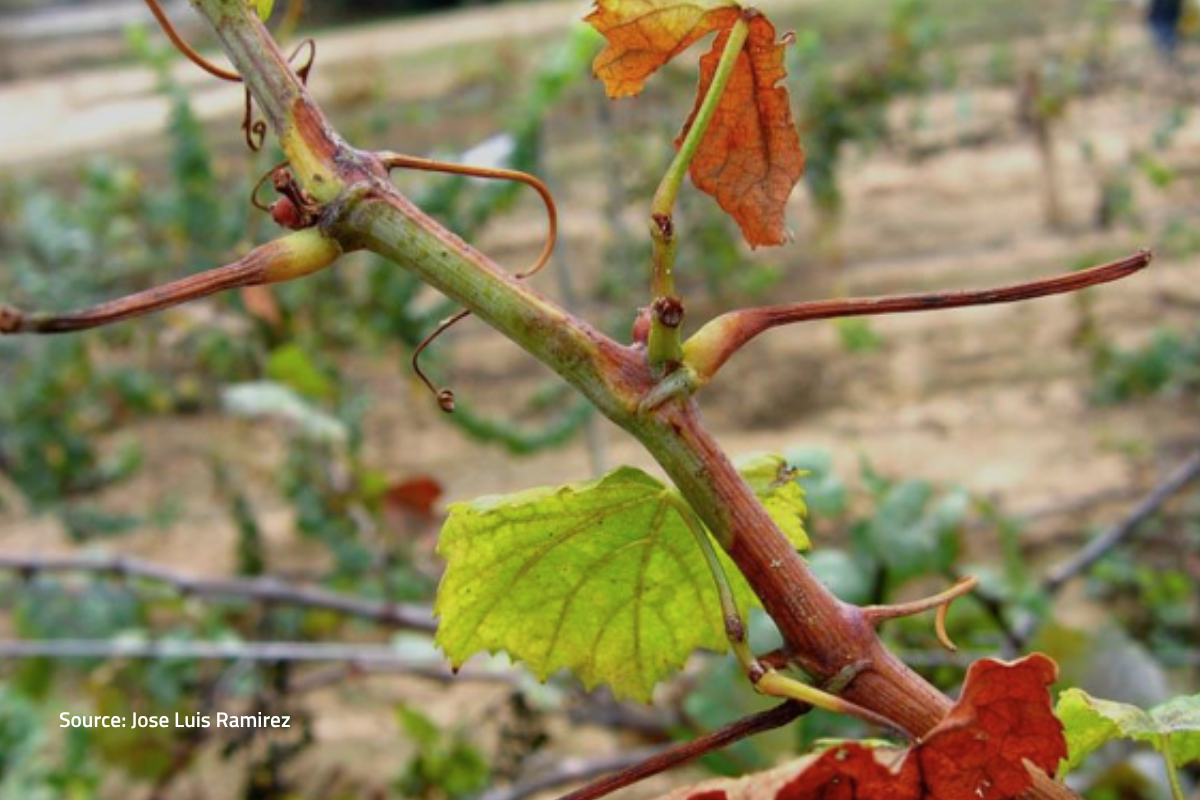
The first Australian detection of Monosporascus cannonballus, commonly known as Monosporascus root rot, has been confirmed at two locations in the NT. The disease affects the roots of cucurbit crops, including cucumbers and melons, but does not affect the fruit or pose a concern for consumers. Growers are encouraged to check crops regularly for unusual symptoms and maintain good on-farm biosecurity and hygiene practices.
Following the September detection of red imported fire ants at the Enfield Intermodal Logistics Centre in Sydney, the NSW Government has introduced a Biosecurity Control Order covering a two-kilometre radius around the site. While no further nests have been detected, the order will support ongoing surveillance and help manage the movement of high-risk materials, including turf, soil, mulch and potted plants, to reduce the risk of spread.
Preparedness also involves planning for seasonal conditions that may affect production. The forecasted ‘Super El Niño’ event is expected to impact fresh produce locally over the coming months with the potential for record-breaking droughts, floods, storms, heatwaves and bushfires. The Fresh Produce Safety Centre Australia & New Zealand has released new Super El Niño guidance to help growers and packhouses prepare for challenging conditions and consider the potential food safety risks associated with extreme weather.
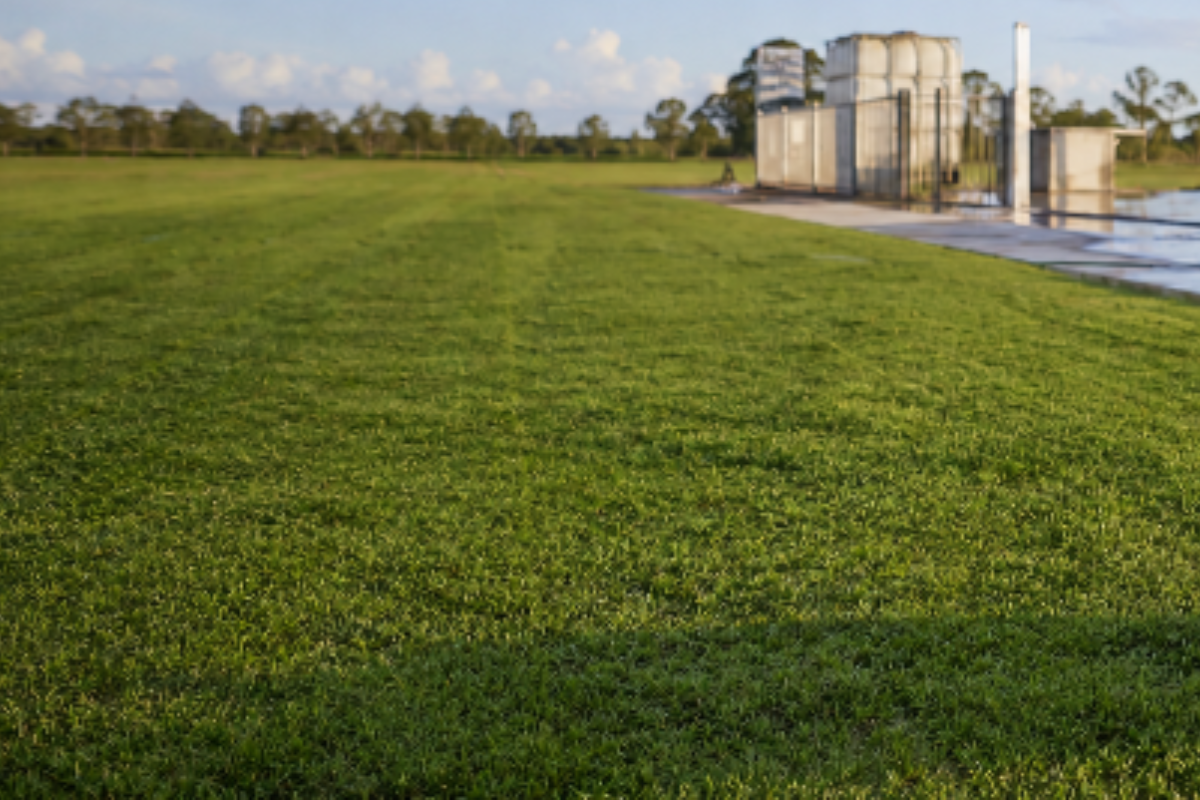
Supporting industry preparedness remains a key part of PHA’s work. This month, we highlight a new partnership with Turf Queensland to develop practical biosecurity resources for Australian turf growers. The project will draw on technical expertise and industry knowledge to help growers identify and manage biosecurity risks in their day-to-day operations.
I am pleased to share PHA’s 2025–26 Annual Report (AR), which highlights our achievements and progress against the priorities of the Strategic Plan 2022–27 and Annual Operational Plan (AOP). The AR reflects the work delivered across PHA’s programs and the contribution of our Members and partners to national plant biosecurity preparedness, surveillance and response capability. The report is available for download from the PHA website.
I am also pleased to acknowledge new funding from the Queensland Department of Primary Industries and Agriculture Victoria to support PHA’s biosecurity training and education resources. This investment will help sustain the National Biosecurity Training Hub (NBTH) and Youth Biosecurity Hub, supporting continued access to important capability-building resources for industry, government, educators and the wider community. As a key deliverable under the National Biosecurity Strategy Action Plan, the NBTH supports a more connected and resilient national biosecurity system.
I would also like to congratulate Shona Gawel on her appointment as the incoming CEO of the Australian Forest Products Association (AFPA). The PHA team and I look forward to working with Shona when she commences in January 2027 and continuing our relationship with AFPA.
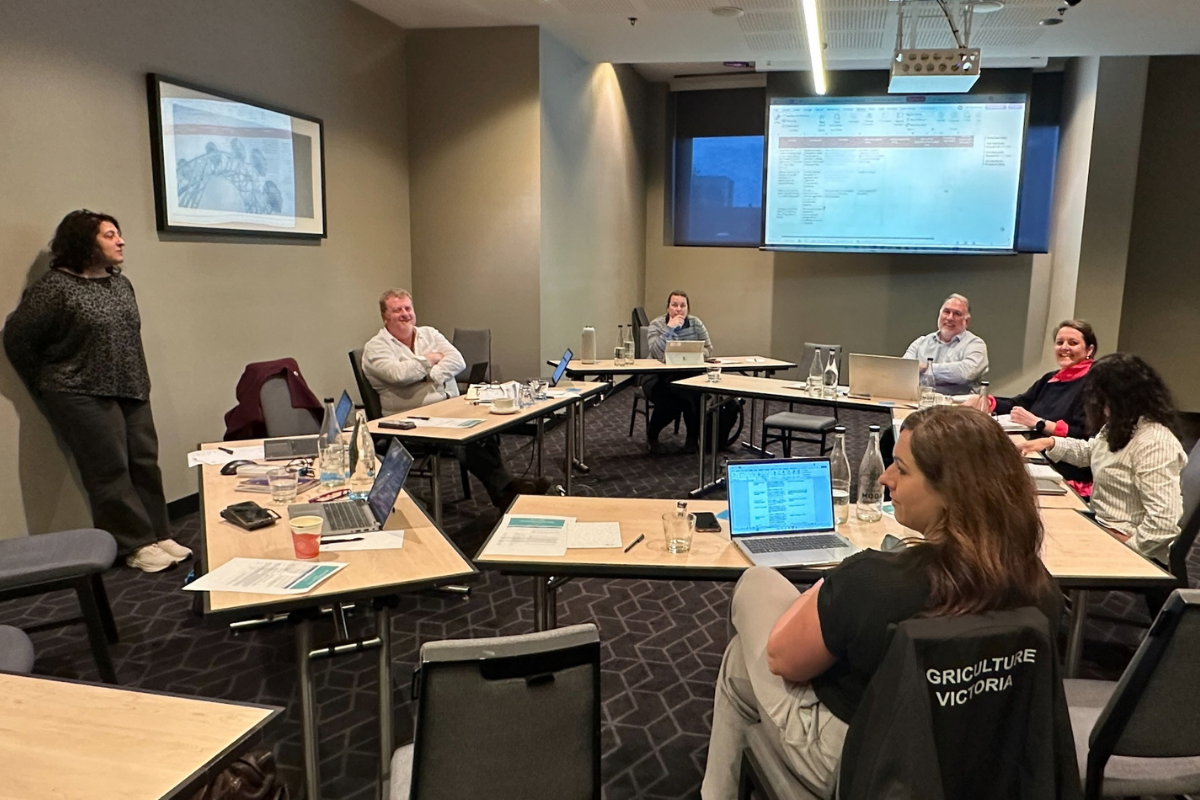
Looking ahead, I look forward to welcoming Members to PHA’s Member meetings in Canberra from 24–26 November. These meetings provide an important opportunity to discuss shared priorities, consider current and future activities, review progress and achievements against our AOP and strengthen connections across our membership. The program is now available online, and I encourage Members who have not yet registered to do so. The formal Notice of Meeting will be distributed in early November.
As we recognise National Safe Work Month this October, it is timely to reflect on the role we each play in creating a safe, respectful and supportive workplace. Our people are central to PHA’s success, bringing the expertise and knowledge that enable us to deliver for our Members and contribute to a stronger national biosecurity system. The Board’s Zero Tolerance Policy statement reinforces our commitment to providing a professional, respectful and psychologically safe workplace, and makes clear that we expect this same standard of respect in our interactions with Members, stakeholders and partners. Creating that environment is a shared responsibility and is fundamental to ensuring our people feel safe, supported and able to contribute at their best.
In this edition of Tendrils, we share outcomes from the Avocado Lunch & Learn biosecurity webinar series, explore High Priority Pests in the grains industry, and highlight the next steps in developing the National Fruit Fly Strategy. We also feature practical guidance on managing biosecurity risks from incoming farm inputs.
Thank you to our Members, partners and stakeholders for your continued support. I look forward to seeing many of you in Canberra next month as we come together for our Annual General Meeting and Member meetings.
Regards,
Sarah Corcoran