GrainShield tests biosecurity preparedness in the north
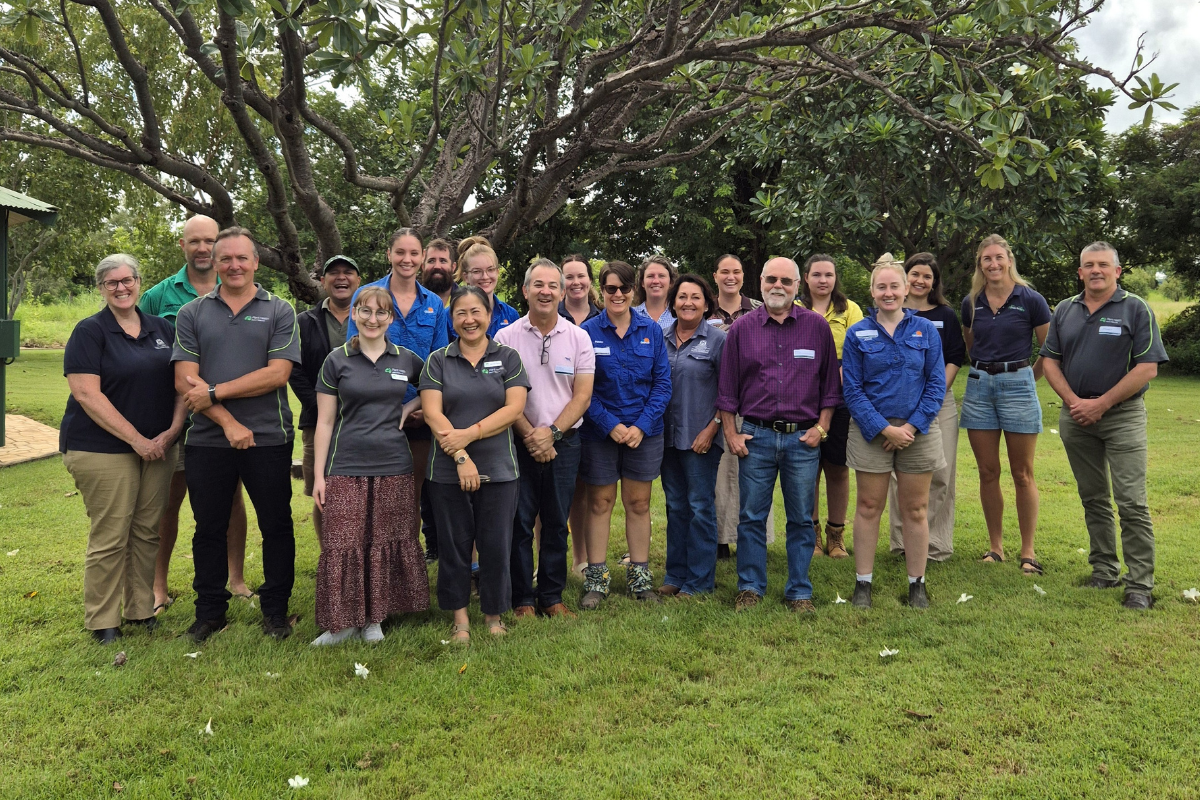
A grain and cotton simulation exercise held on 11-12 March 2026 at the Frank Wise Institute in Kununurra marked the first activity in GrainShield, a coordinated five-year program designed to strengthen biosecurity preparedness across Australia’s grain industry.
Stakeholders from across Western Australia’s government, industry, growers and the agricultural supply chain came together to test the Ord River Irrigation Area’s ability to respond to a high-pressure plant pest incursion scenario in one of the country’s most remote and high-risk grain production regions.
The simulation focused on the critical first 10 days of a response to a theoretical Emergency Plant Pest (EPP) incursion. Plant Health Australia (PHA), in partnership with the Western Australian Department of Primary Industries and Regional Development (WA DPIRD) and the Grains Research and Development Corporation (GRDC), designed and delivered the activity, which brought together a diverse group of stakeholders to assess response capability in a complex regional context.
Facilitated by PHA through a multi-agency working group, the workshop combined scenario-based exercises, targeted presentations and guest speakers to guide participants through the evolving response environment. Participants worked through practical activities to assess impacts, identify risks, clarify roles and responsibilities, and consider how decisions would flow during a real response.
A key focus of the simulation was exploring the unique challenges associated with responding to an incursion in a remote northern production system. Participants examined issues such as distance from diagnostic services, logistics and workforce constraints, communication challenges, and the need for effective coordination across government agencies, industry bodies, growers and the broader supply chain.
By bringing together stakeholders who may not typically work side-by-side, the exercise strengthened relationships, improved shared understanding and reinforced the importance of collaboration and clear communication during biosecurity incidents.
Participants reported increased confidence in their ability to contribute to an emergency response, as well as a clearer understanding of where improvements can be made.
Outcomes from the exercise will inform ongoing efforts to strengthen Australia’s plant biosecurity system, particularly in regional and remote areas where response conditions can be more complex. Activities like GrainShield play an important role in testing systems, building capability and ensuring Australia remains prepared to respond effectively to future biosecurity threats.
PHA acknowledges and thanks WA DPIRD and GRDC for their ongoing support and the Exercise Planning Team – made up from WA DPIRD, Ordco and DAFF representatives – for their input and guidance. We would also like to thank the participants for all agencies, CGL Wyndham Port and the local growers in particular for their insights and openness.
For more information on other training opportunities in plant biosecurity, please contact training@phau.com.au.