Nationally coordinated action for honey bee biosecurity
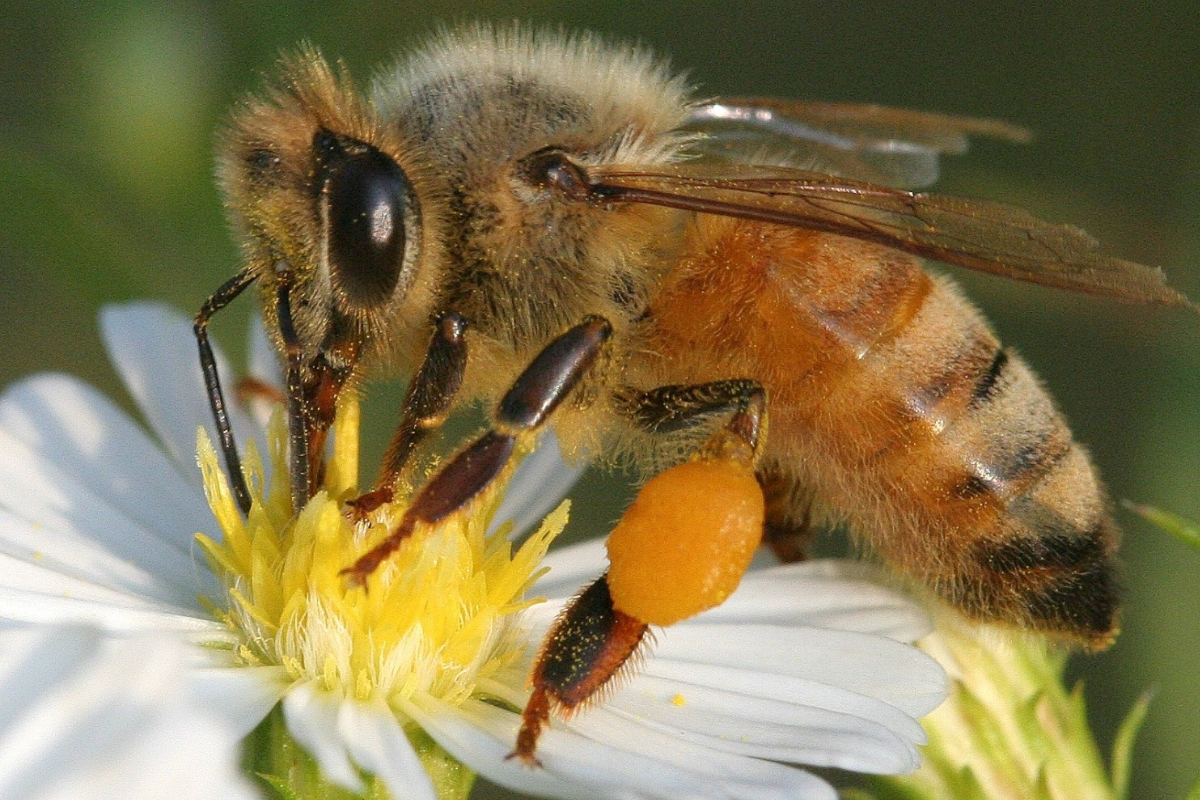
Plant Health Australia (PHA) continues to support the Australian honey bee industry to strengthen biosecurity and build preparedness for current and emerging pest threats.
Working alongside industry, governments and funding partners, PHA is coordinating national activities that bring together biosecurity planning, targeted surveillance and practical support for beekeepers.
This work is increasingly important following the establishment of Varroa destructor in eastern and southern Australia and with exotic threats such as Tropilaelaps mites remaining close to our borders.
Updating the honey bee industry’s biosecurity preparedness documents
Funded by AgriFutures Australia, this project will review the existing Biosecurity Plan, which was developed before Varroa destructor established in Australia. The project will also develop five Contingency Plans to support rapid decision-making and response activities for the industry’s key pest threats.
The project team will work closely with industry and government stakeholders to ensure documents are fit for purpose and reflect current industry needs. Outcomes from this work will help the honey bee industry prioritise and prepare for exotic pest threats and guide other honey bee biosecurity initiatives.
Any significant changes to pest risk profiles will be considered in future surveillance or awareness activities.
National Bee Pest Surveillance Program
The National Bee Pest Surveillance Program (NBPSP; PH25001) provides nationally coordinated, risk-based surveillance for exotic honey bee pests. Surveillance activities are conducted at high-risk locations and frequencies aligned with entry risk and honey bee biology to support the early detection of new pest incursions.
The current five-year program commenced in December 2025 and targets the eight highest-risk ports of entry using techniques optimised for each targeted pest. The program is designed to detect 12 exotic High Priority Pests and five regionally significant pests.
The program is funded through Hort Innovation Frontiers, with co-investment from 14 Horticultural industries, Australian honey bee industry levies and Grain Producers Australia. The program also receives significant in-kind contributions from all states and the Northern Territory Government and, contributions from the Australian Government.
National Bee Biosecurity Program
The National Bee Biosecurity Program has been operating since 2016 and is funded by the honey bee industry with significant in-kind support from state governments.
The program helps beekeepers manage pests that are already in Australia and prepare for incursions by exotic pests. Bee Biosecurity Officers (BBOs) are employed through the program in all states to support, train and educate beekeepers.
The program promotes best management practices for beekeepers in Australia and underpins the Australian Honey Bee Industry Biosecurity Code of Practice which provides a framework for Australian beekeepers to apply best-practice biosecurity methods.
Contact us
To learn more about the Biosecurity Planning project, National Bee Pest Surveillance Program or the National Bee Biosecurity Program, please contact BiosecurityPlanning@phau.com.au or beebiosecurity@phau.com.au.