Message from the CEO

As National Biosecurity Week (NBW) continues across Australia from 24–30 August, this year’s theme, Planning ahead helps protect what matters, is a timely reminder that strong biosecurity starts long before an emergency.
NBW is a key initiative under priority 1 (shared biosecurity culture) in the National Biosecurity Strategy Action Plan, helping build a shared biosecurity culture across government, industry and the community. This year’s campaign is the third iteration, led by Plant Health Australia (PHA) with support from Animal Health Australia, and focuses on prevention, preparedness and early action. The campaign highlights how practical action, good surveillance, early reporting and strong partnerships all contribute to a more prepared and resilient biosecurity system.
This week, as part of NBW activities, I delivered a keynote address at the Agronomy Australia Conference in Darwin, focusing on Australia’s northern biosecurity frontline and the partnerships, capability and connected systems that support preparedness across northern Australia.
Help amplify the message of NBW by visiting bioweek.org.au to download the full campaign pack, sharing campaign resources with your colleagues, stakeholders, friends and family, and following PHA on social media. By working together to raise awareness, we can help build a stronger and more resilient biosecurity system.
In July, PHA attended the virtual National Biosecurity Committee (NBC) which included discussions on biosecurity system reforms and the National Biosecurity Strategy. Following stakeholder consultation, work is currently underway to develop a 2027–32 roadmap, mapped against the existing 6 priorities of the NBS, to be presented to the Agriculture Ministers in November. Through our involvement with NBC, PHA remains committed to providing an independent national perspective to help with informed decision-making that is balanced and equitable and in the best interests of the plant biosecurity system as a whole.
Earlier this month, I attended the launch of the State of the Australian Grain Industry Report at the National Press Club. Developed by GrainGrowers and released every five years, the report provides valuable insights into the trends, opportunities and challenges shaping the grains sector, including biosecurity risks. It was encouraging to see the industry’s continued productivity growth attributed to the adoption of new technologies, sustainable farming practices and the ability of growers to adapt to an increasingly variable climate.
I also participated in the Australian Pollination Strategy Steering Committee (APSS) meeting, where we reviewed progress on the project plan, including scope, objectives, timelines and expected outcomes. The meeting provided an important opportunity to progress work that will support the long-term sustainability and resilience of Australia’s pollination-dependent industries.
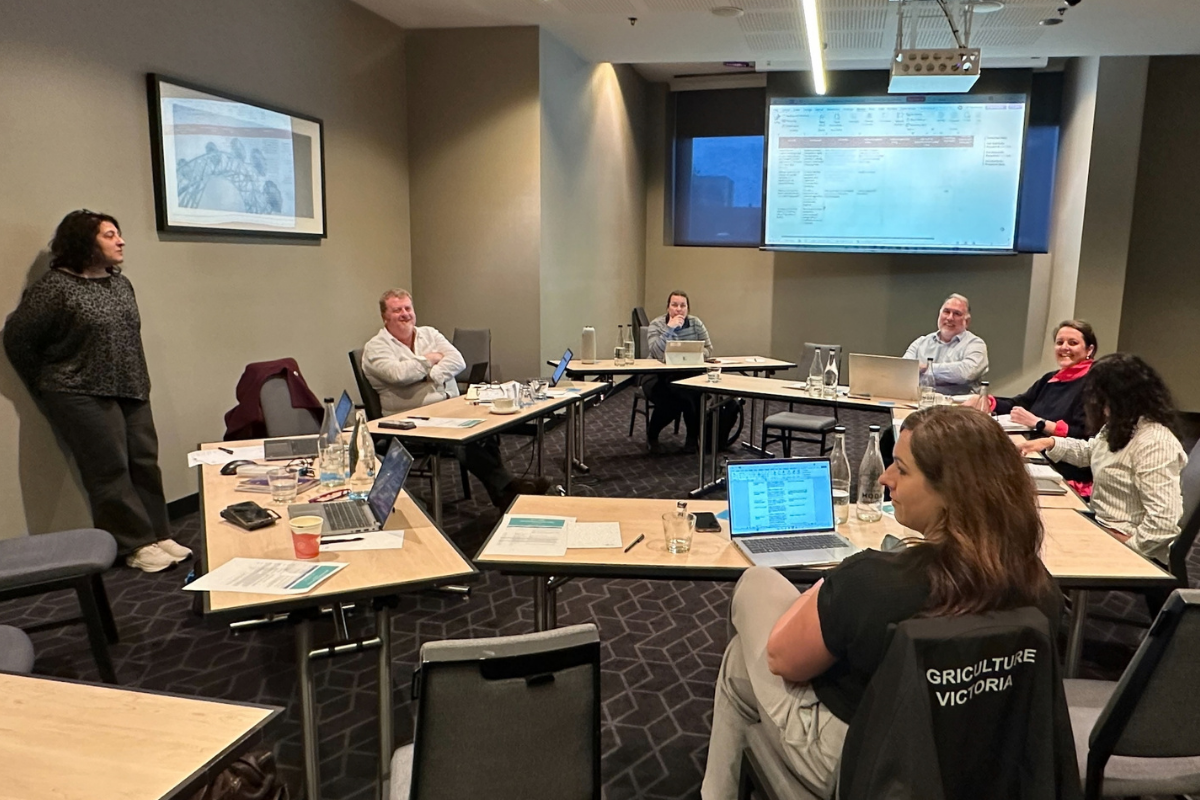
Building response capability remains a priority, with PHA delivering Industry Liaison Officer training in Bundaberg last week. Additional training activities, webinars and preparedness exercises continue to be delivered across industry and government. I encourage Members and stakeholders to explore upcoming opportunities through PHA’s Training Calendar.
In this edition of Tendrils, we highlight more of this work, including the Australian Coffee Research Program, progress on the next National Fruit Fly Strategy and the AUSVEG project, and how AUSPestCheck® supports surveillance and data sharing.
We also share practical resources from the Farm Biosecurity program, including articles on developing a simple on-farm biosecurity plan and being prepared if a biosecurity incident occurs. From the Grains Farm Biosecurity Program, we provide updates on the Grains Biosecurity Advisory Committee and development of a Grains Biosecurity Incident Standard Operating Procedure to support preparedness and response activities.
Thank you to our Members and stakeholders for your continued commitment to Australia’s plant biosecurity system. I encourage you to continue sharing biosecurity resources, and to keep practical biosecurity action front of mind throughout the year.
Regards,
Sarah Corcoran