From paddock to port: biosecurity training for everyone
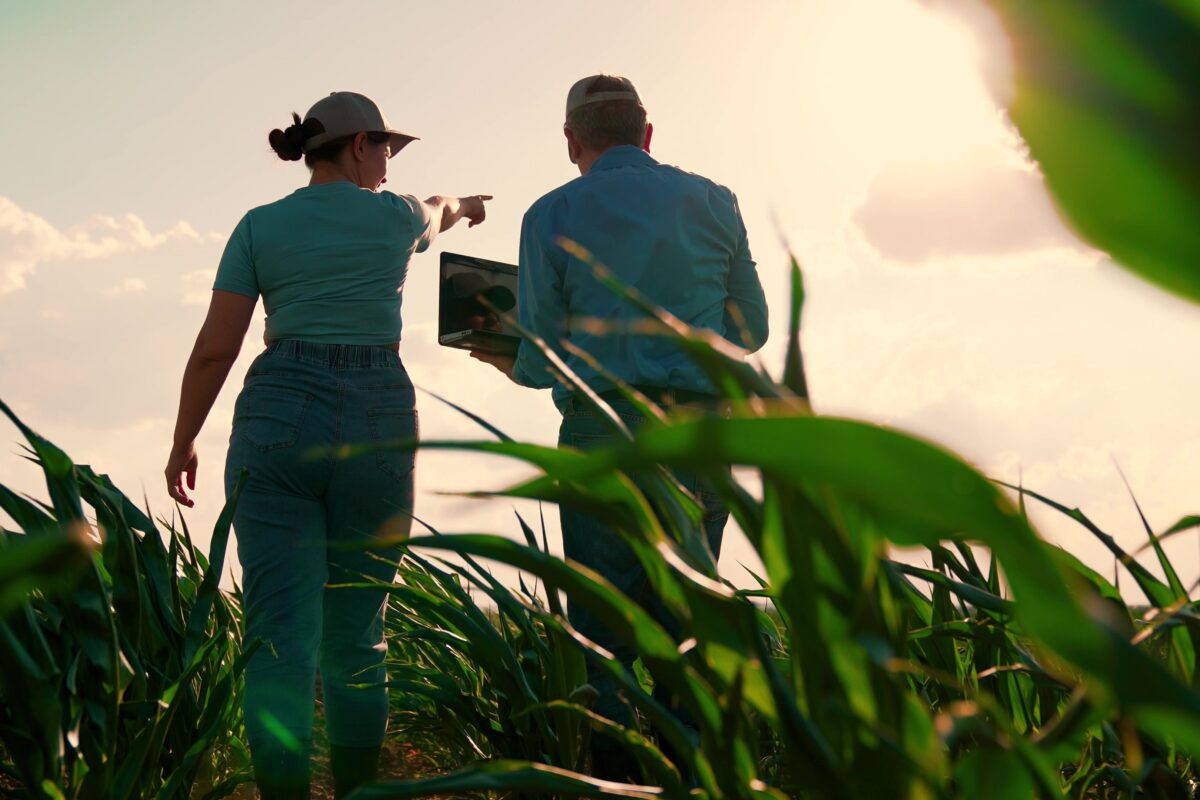
Since its launch in 2023, the National Biosecurity Training Hub has continued to expand with new content and tools to support different audiences.
Whether you’re a grower in regional Queensland, or a producer in Victoria, a freight operator crossing state borders, or simply an Australian who wants to protect our food supply, there’s one central place to access the biosecurity training you need.
Launched in 2023, the National Biosecurity Training Hub brings together courses tailored to every role, region, and industry, from logistics and supply chain through to producers, veterinarians, agronomists, and biosecurity professionals.
Developed by Plant Health Australia (PHA) in collaboration with the Queensland Department of Primary Industries (QDPI), Animal Health Australia, NSW Department of Primary Industries and Regional Development, and Agriculture Victoria, and supported by the Australian Department of Agriculture, Fisheries and Forestry (DAFF), the Hub makes biosecurity training easy to find, easy to understand, and easy to act on.
“The Hub was created to streamline access to knowledge and practical skills and courses are free and open to all,” said Sarah Corcoran, CEO of PHA.
“We strongly encourage course providers to list their biosecurity training packages on the Hub. By doing so, they ensure that producers, supply chain workers, and professionals across Australia can readily access the skills and knowledge needed to detect, prevent, and respond to biosecurity risks.”
A central resource for every role
The Hub has grown to house close to 80 verified courses from 20 providers across plant, animal, and aquatic sectors, offering a single, trusted library of biosecurity training. It reduces duplication, improves access, and ensures everyone can find the right training quickly. Since its launch, close to 50,000 users visited the Hub, recording over 95,000 views.
An online submission feature makes it simple for registered training organisations (RTOs), government agencies, and private providers to upload courses directly to expand the Hub’s reach and value.
“Our biosecurity system is only as strong as the people behind it,” said Ms Corcoran.
“The Hub gives everyone, from frontline workers to experienced professionals, access to the right training, all in one place. And now we’re encouraging more experts to help grow this resource by adding their own content.”
Recent additions
Since its launch, the Hub has continued to expand with new content and tools to support different audiences. A recent addition is the Youth Biosecurity Training Hub – a dedicated resource offering interactive, curriculum-aligned resources for schools and community groups, helping to build awareness and skills from an early age.
The Youth Biosecurity Hub was launched in June 2025 in partnership with QDPI, and shared with educators to ensure classroom relevance. It includes real-world examples to help students connect theory with practice. The eLearning course provides a guided introduction to key biosecurity concepts, roles, and challenges.
Early education supports long-term resilience. By introducing biosecurity in schools and communities, the Hub helps future growers, agronomists, and policymakers understand their role in protecting Australia’s plant industries.
Ms Corcoran said education and access to training are essential to national preparedness:
“Every person in our plant production system plays a role in biosecurity. By providing tailored, accessible training, we help people take meaningful action on-farm and in their communities. These Hubs are an investment in the strength and sustainability of our plant industries.”
Course library
The course library is searchable by topic, delivery mode, sector, and location, with all content quality-assured for relevance and credibility.
How to get involved
- Course providers: Submit your training to the hub to reach a national audience.
- Industry professionals: Explore the library, enrol in courses, and share with your networks.
- Educators and community leaders: Make use of the Youth Biosecurity Hub as a teaching tool.
Visit the National Biosecurity Training Hub to explore or contribute courses. Share the link with colleagues, industry partners, and community networks. Together, we can strengthen Australia’s biosecurity capability and resilience.