Extended Bee Pest Surveillance Program to deliver continued protection
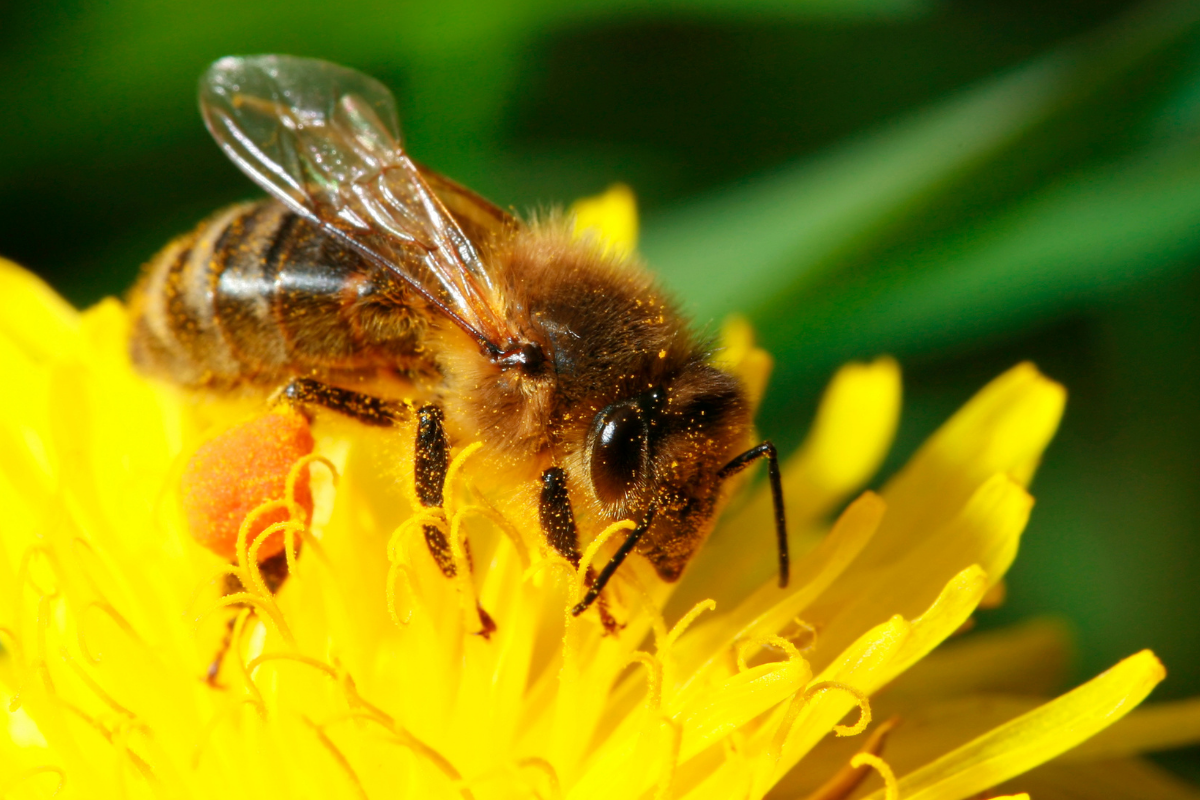
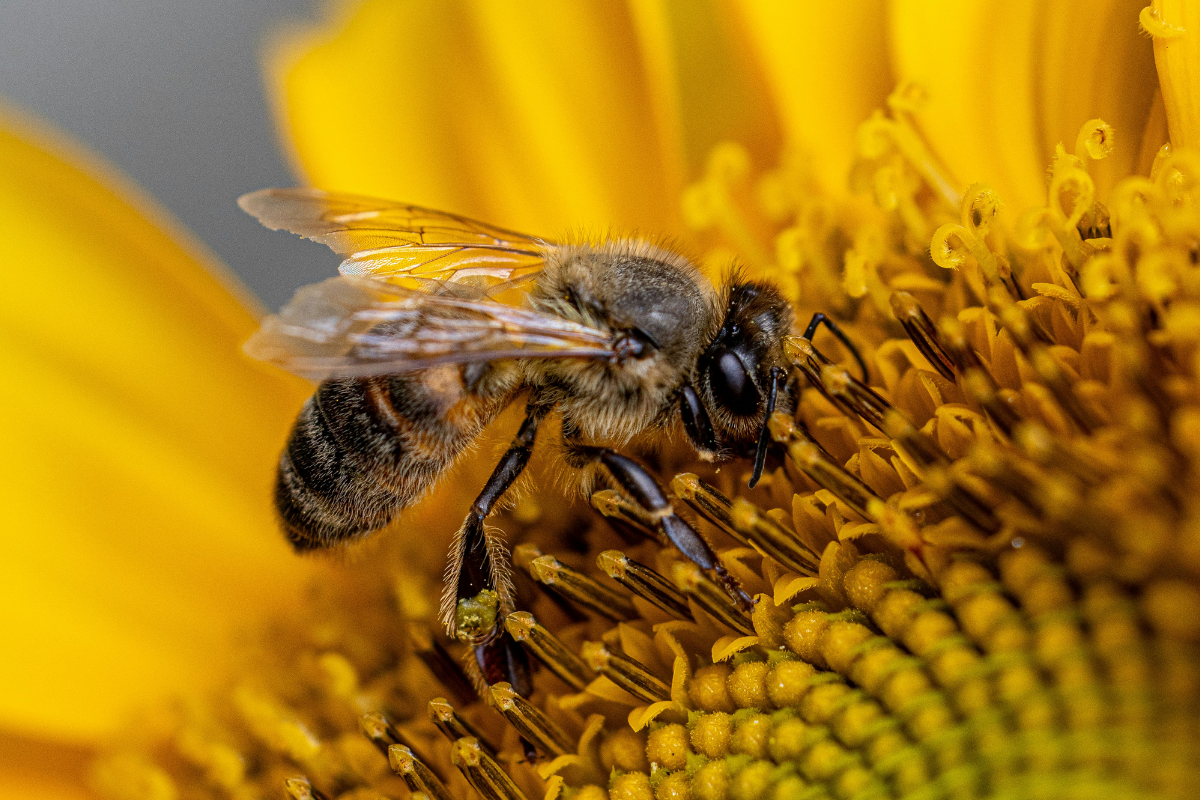
Building on its ongoing success, the National Bee Pest Surveillance Program (NBPSP) will continue for a further five years, with Plant Health Australia (PHA) leading the delivery from December 2025 to December 2030, supported by Hort Innovation.
Funded by Hort Innovation with co-investment from the Australian honey bee and grain industries in collaboration with state and territory governments, the program supports early detection surveillance for exotic and regionalised honey bee pests at key points of entry into Australia.
The new program will ensure surveillance activities delivered by all state and the Northern Territory governments will continue at eight high-risk ports, with additional ports included through in-kind contributions from participating jurisdictions.
A range of surveillance methods will be used at each port to monitor for 18 exotic or regionalised honey bee pests, diseases or pest bees. This coordinated approach supports early detection and rapid response, helping minimise the impact of these pests on Australian agriculture.
Surveillance will continue to be conducted for Varroa destructor mites to monitor its spread to new areas and detect new outbreaks. This will be critical to keep Australia free from viruses such as deformed wing virus, which could enter with new introductions of Varroa mites.
The NBPSP recognises the importance of the honey bee industry to Australian agriculture, producing honey and providing critical pollination services that improve the yield and quality of pollination-dependent crops.
Exotic bee pests and pest bees pose ongoing risks to honey bees and to the cost and delivery of critical pollination services. Early detection is essential to protect Australia’s honey bee and pollination-reliant industries from exotic pests, as it provides the best chance of containment or eradication.
The NBPSP was established in 2012 as an early detection surveillance program targeting exotic and regionalised pests of honey bees at air and sea ports, where pests are most likely to enter Australia. Since its commencement, the NBPSP has detected several pest incursions, triggering response activities and demonstrating the program’s value.
Program funding
The National Bee Pest Surveillance Program (PH25001) is funded through Hort Innovation Frontiers with co-investment from the Australian honey bee industry levies, Grain Producers Australia, significant in-kind contributions from all states and the Northern Territory Government and contributions from the Australian Government.
Hort Innovation is the grower-owned, not-for-profit research and development corporation for Australian horticulture.