Message from the CEO

February has been a productive start to the year for Plant Health Australia, with important milestones achieved and strong momentum in delivering against our Strategic Plan.
I’m pleased to share that our Mid-Year Performance Report (MYPR) 2025–26 has been published. The MYPR provides Members with a clear and comprehensive update on progress against our Annual Operational Plan (AOP) 2025-26, highlighting activity across response, partnerships, system integration, governance and communications.
At the same time, development of the 2026–27 AOP is underway. Member consultation will again play an important role in shaping priorities, ensuring our collective investment remains aligned with national priorities, system reform and emerging risks.
In addition, I’d like to thank all Members who took the time to complete our Member Survey. Your feedback is sincerely appreciated and plays an important role in shaping our work. The survey helps us reflect on PHA’s performance against our Strategic Plan 2022-2027, highlighting what worked well and where we can continue to improve in the year ahead. It also provides valuable insight into emerging biosecurity challenges, current preparedness activities and future priorities across the system.
The National Biosecurity Strategy (NBS) Annual Report 2025 tracks progress of the 52 activities in the NBS action plan against the six national biosecurity priorities. PHA is proud to have led the second iteration of National Biosecurity Week under priority area 1 (shared biosecurity culture) and build on the success of the National Biosecurity Online Training Hub (the Hub) under priority area 3 (highly skilled workforce). Since its launch, the Hub has grown to close to 80 verified courses from 20 providers across plant, animal and aquatic sectors offering a single, trusted library of biosecurity training. PHA continues to steward and build this key national initiative to support biosecurity preparedness and response, capacity and capability.
As we move through late summer, seasonal risk remains front of mind. Warmer conditions continue to favour the spread and establishment of many pests and diseases, particularly in horticultural and grains production systems. Heightened surveillance, early detection and timely reporting are critical at this time of year.
Seasonal biosecurity pressures in northern Australia continue to be managed through the Torres Strait Exotic Fruit Fly Eradication Program. This ongoing program focuses on intensive surveillance, trapping and coordinated response activities to detect and eradicate exotic fruit fly incursions, helping to protect mainland production regions and maintain Australia’s market access and trade.
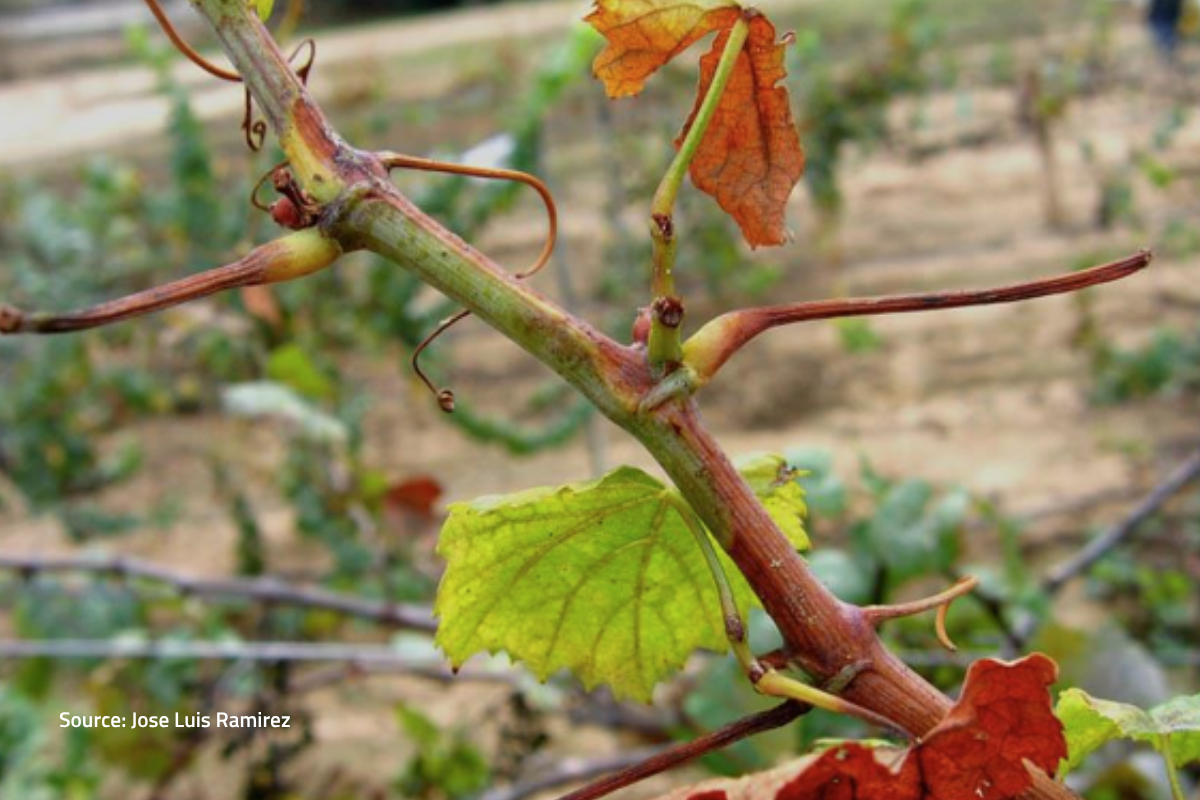
Grapevine berry inner necrosis virus (GINV), Trichovirus necroacini, has been detected for the first time in Australia in several grapevines and rootstocks across the eastern seaboard. While many infected vines may not show symptoms, the disease can affect vine health and productivity where it occurs overseas. Preventative measures and strong on-farm biosecurity practices remain critical to minimising impacts, and the viticulture industry is undertaking further investigations and surveillance to better understand distribution and inform management approaches.
Pyrethroid resistance in Varroa mites have been detected in a small number of apiaries in northern New South Wales (NSW), with NSW Department of Primary Industries and Regional Development (DPIRD) undertaking further surveillance and testing to understand the extent. This development reinforces the importance of rotating miticides and following label directions to help prevent resistance spreading.
Seasonal biosecurity measures for Brown marmorated stink bug (BMSB) are still in place, aligned with the national risk period from 1 September to 30 April. During this time, the Australian Government implements strengthened border controls for high-risk imported goods under approved national arrangements to reduce the likelihood of BMSB entering Australia. These seasonal measures reflect the pest’s known behaviour as a hitchhiker in cargo during the northern hemisphere winter and are supported by coordinated national response arrangements, surveillance and industry awareness activities to manage risk and protect Australia’s plant industries.
The Biosecurity Business Pledge Australia, co-designed with industry and delivered in partnership, invites businesses across the supply chain to commit to improving their biosecurity practices and is a key activity under the NBS. The pledge recognises expanding engagement beyond traditional biosecurity stakeholders is essential to strengthening the overall system. Visit the website to take the pledge and find out how to protect your business, strengthen your industry and safeguard Australia.
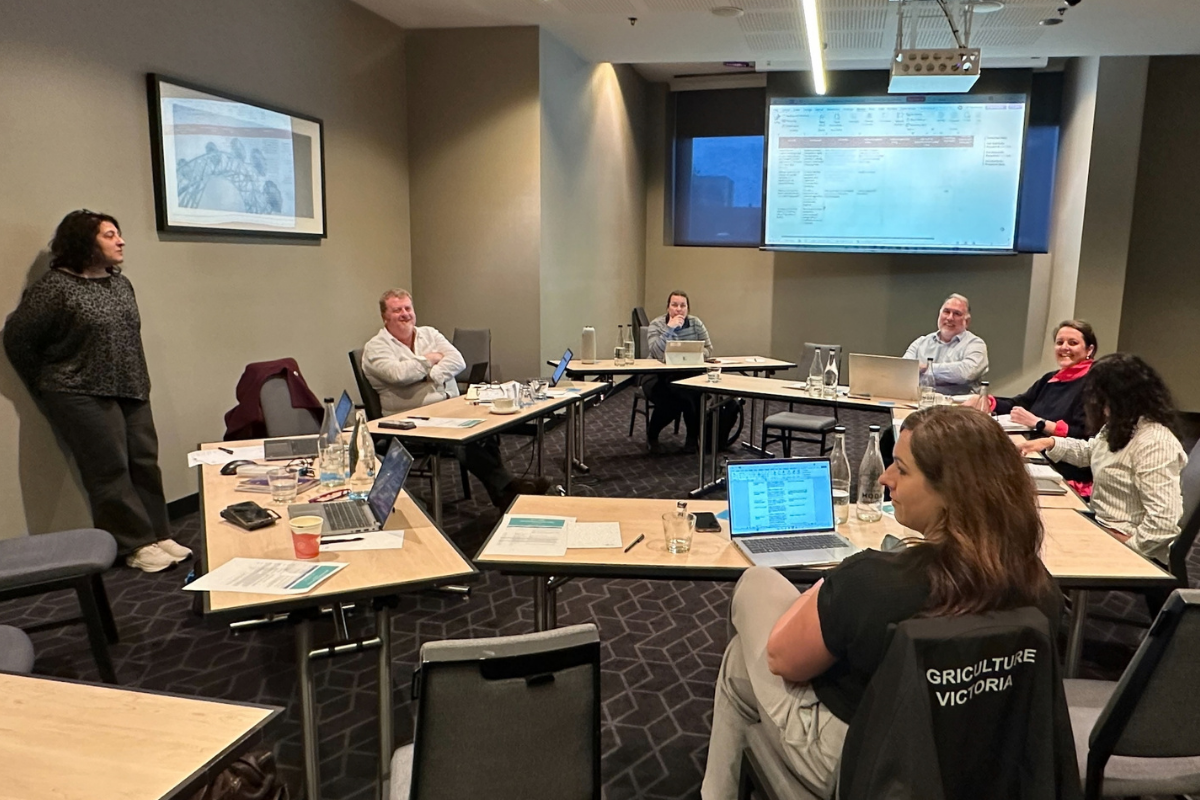
In March, we will deliver a simulation exercise in Kununurra, Western Australia, in partnership with the grains and cotton industry. Exercises such as these are invaluable in testing response arrangements, strengthening relationships and building capability before an incursion occurs.
Across the organisation, PHA staff have been out and about engaging with Members to ensure our activities align with needs and stakeholders to strengthen awareness of PHA’s role in the plant biosecurity system.
We are also progressing recommendations arising from the EPPRD Review, working closely with Parties to ensure the EPPRD remains a robust and contemporary framework for cost-shared responses.
I encourage you to explore the articles in this edition of Tendrils, including updates on the National Bee Pest Surveillance Program, a project to support biosecurity capability for the ginger industry, and advancements in our digital systems.
I look forward to our continued collaboration and shared commitment this year to strengthening Australia’s ability to prevent, prepare for and respond to exotic plant pest threats.
Regards,
Sarah Corcoran